
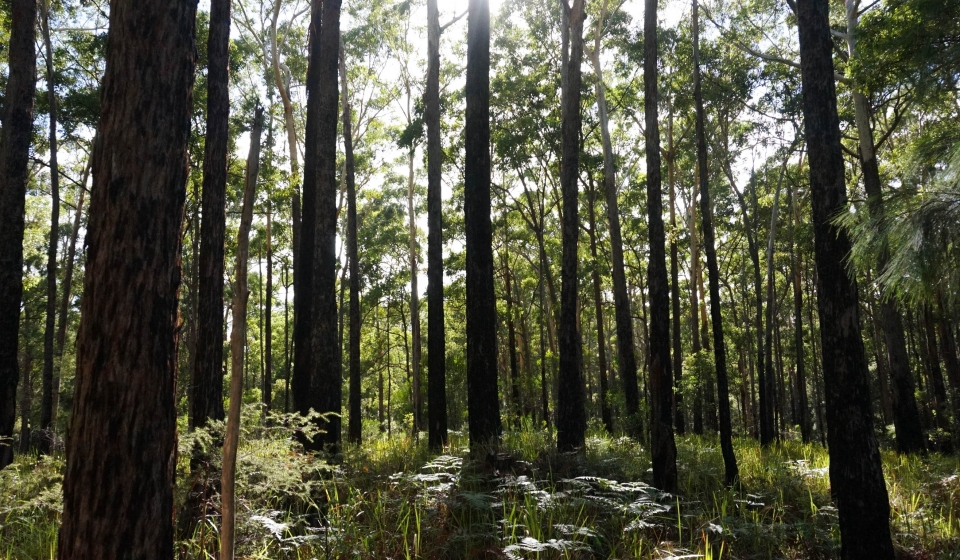
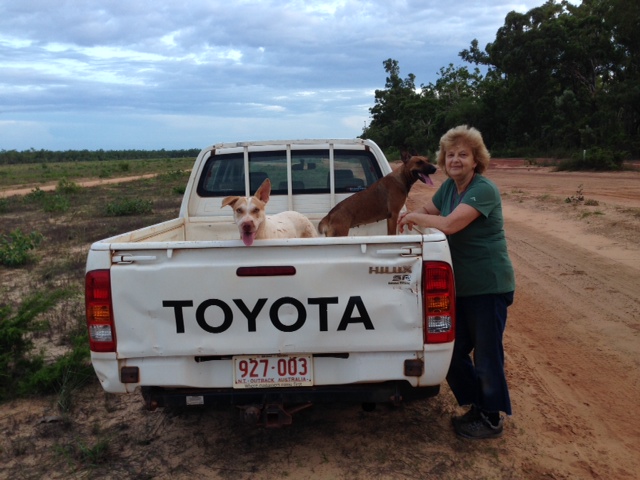
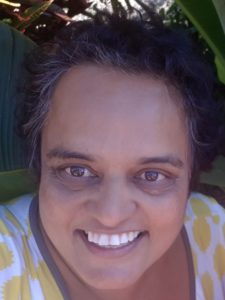
Anne Carrick working on Kunibidji country
In episode 20 of ‘Talk the Walk’, my guest today captures the essence of what it takes to move from a big city to a remote community in the heart of Arnhemland. Social Worker, Anne Carrick spent three years immersed in community life and working in a social and emotional well-being program alongside 13 language groups and clans, each with their similar but different traditions living on Kunibidji land. Anne says “This is one of the most multi-lingual communities in the world.”
If you’ve ever considered working remote or wondered what it is like, Anne’s stories, memories and lessons learned are pure gold.
In this episode we explore:
- Anne’s early learnings working with Aboriginal people as a young social worker in Adelaide and Ceduna
- The thinking and motivation behind Anne’s move to the Northern Territory
- One article every Balanda (whitefella) needs to read before working in Aboriginal communities
- A typical day working in the social and emotional wellbeing program in a remote Aboriginal community
- The effects of daily life being exposed to frequent domestic violence and suicide attempts
- The role Elders and leaders took in responding to domestic and family violence
- The outcomes Anne was able to achieve assisting women, children and families
- How a social work assessment process differs in a remote community compared to a more urban settling, and the role of Aboriginal workers
- How the community shaped new understandings of mental health using the positive concept of living a life ‘worried well’
- Anne’s experience of supervising social work students; what students can do to prepare themselves for a remote placement; and good advice for anyone thinking of working remote
- Anne’s challenges and struggles; and what sustained her
- The vision, principles and values inherent in Anne’s social work practice framework and how she advocated for this in a system which had different ideas about tackling social issues
- Tracing Anne’s ethics and values back to early childhood
- The wake up call that may help you prevent burnout
- Accessing good supervision and support
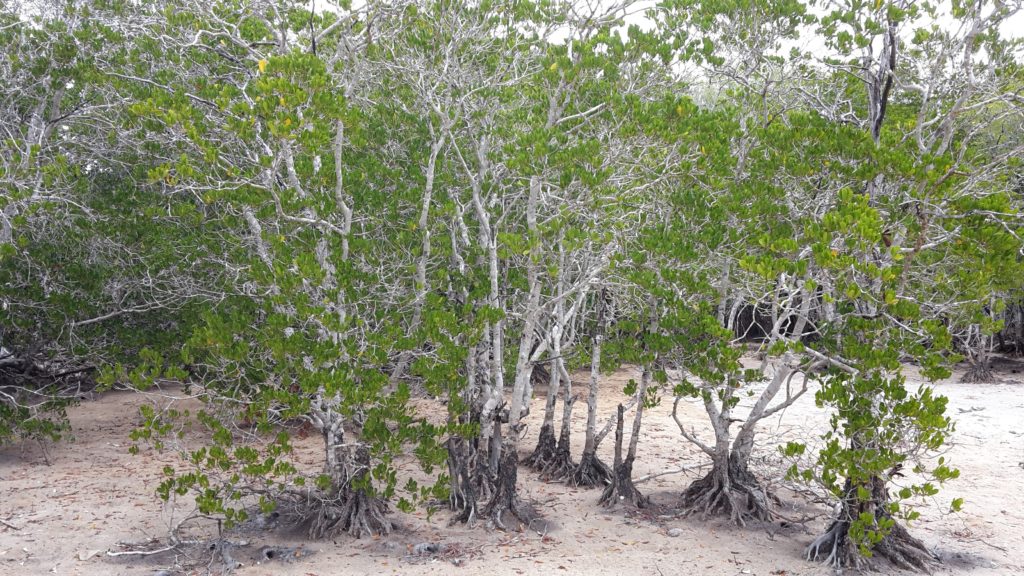
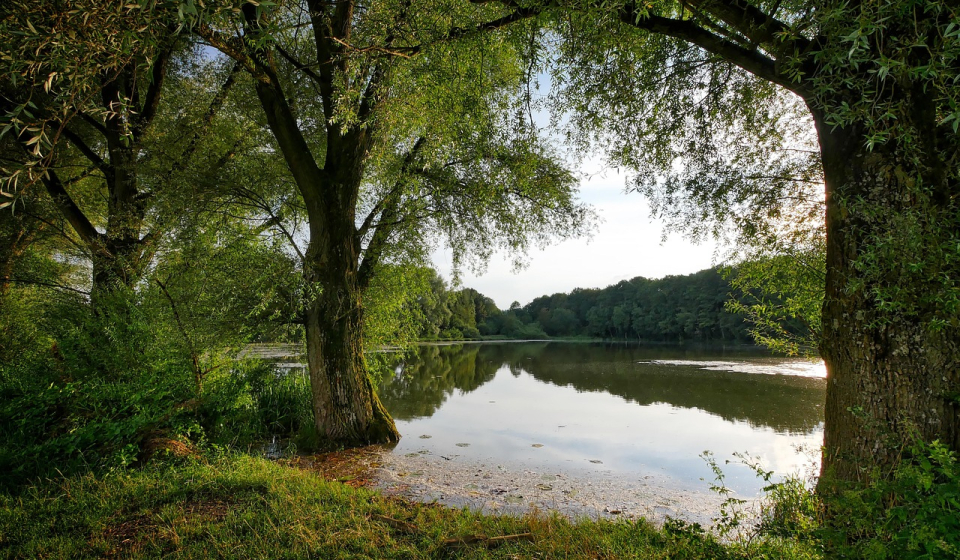
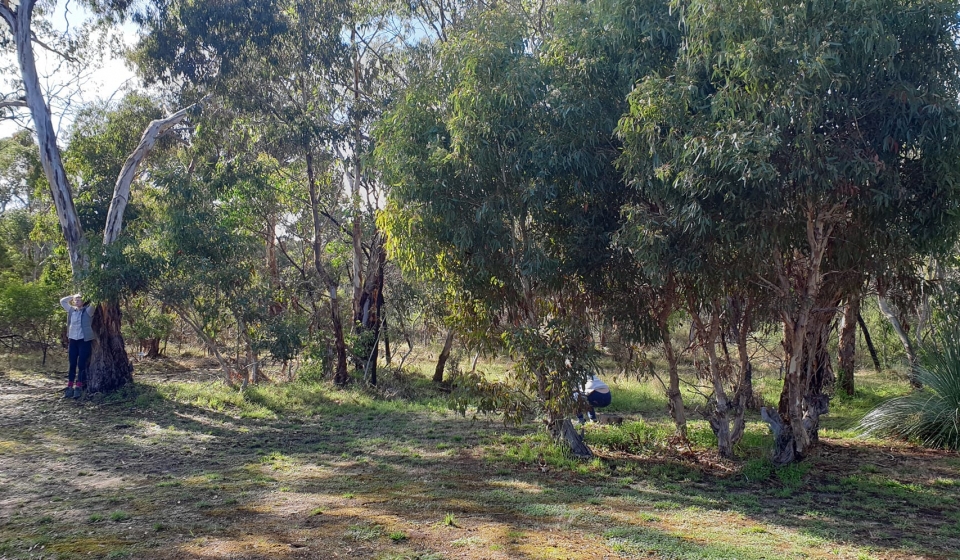
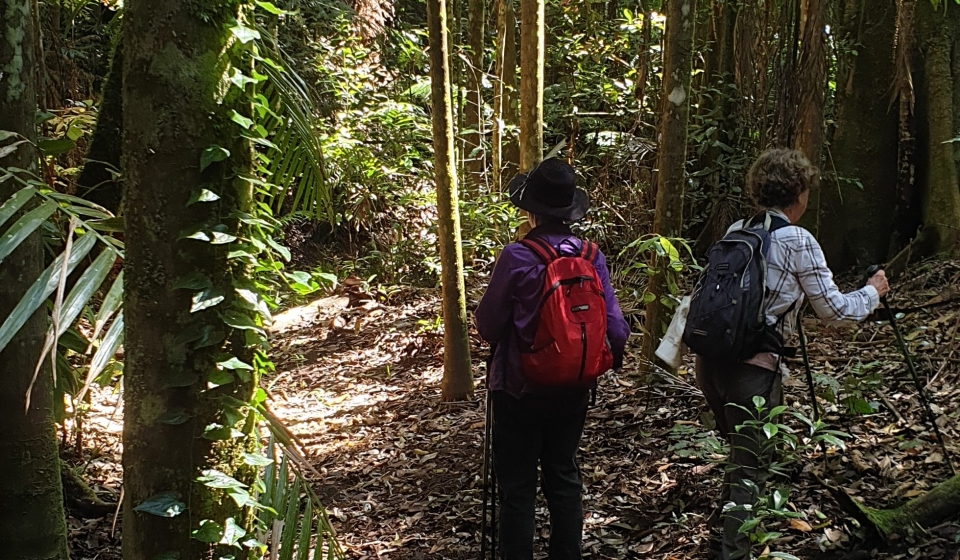
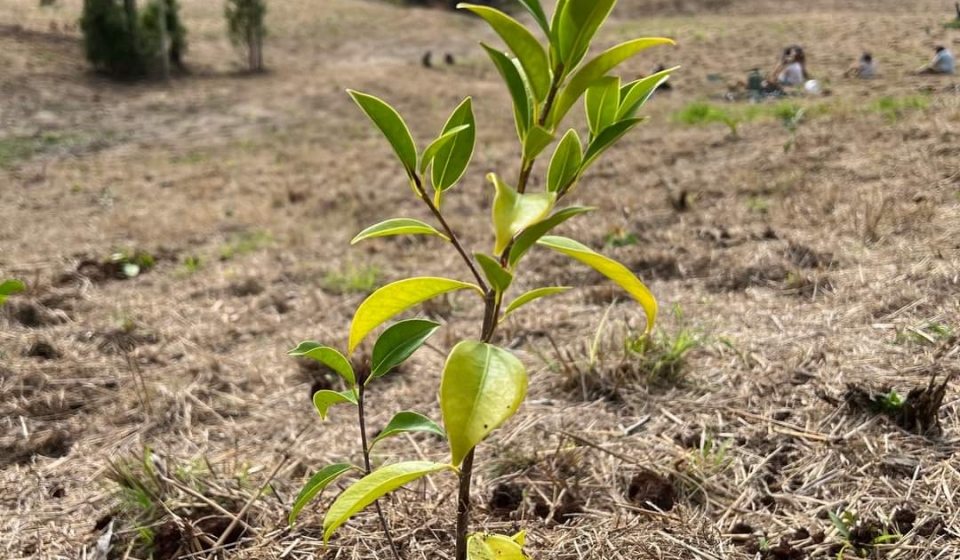
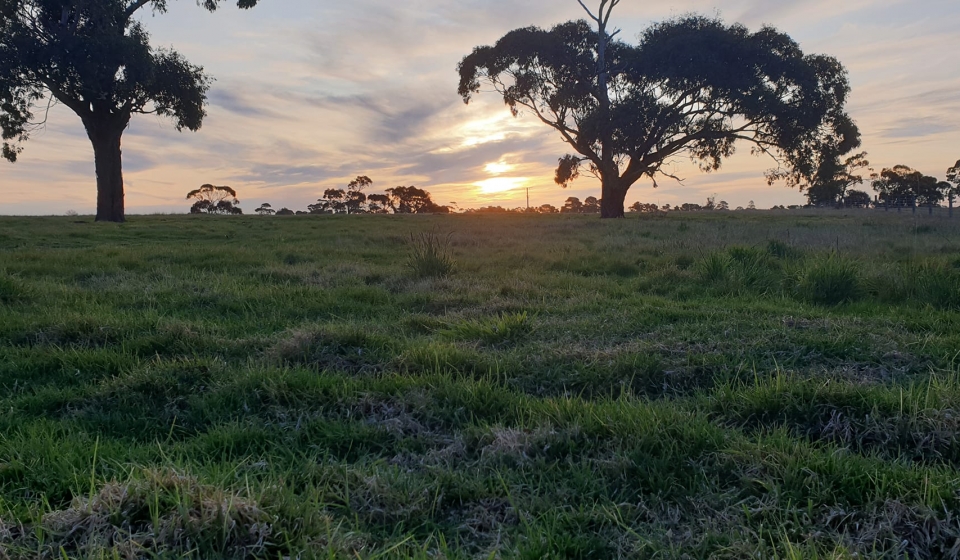
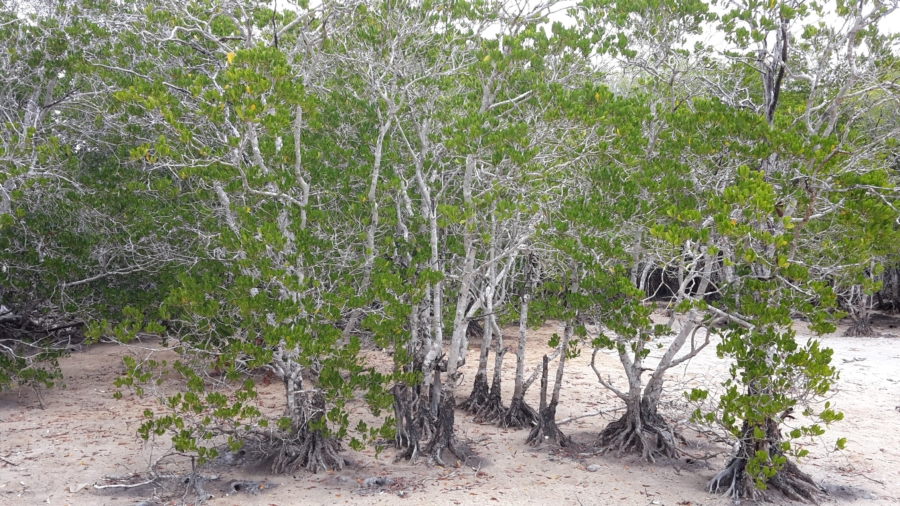
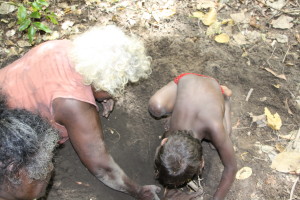
Just some of the beautiful trees that spoke to Anne around the community and on homelands.
To listen to this episode simply click on the Play button below or listen via the Stitcher App for iOS, Android, Nook and iPad.

You can also subscribe to podcast and blog updates via email from the Menu on the Home Page.
Don’t forget, if you or someone you know would make a great interview on ‘Talk the Walk’, send us an email from the Contact Page.
Things to follow up after the episode
‘Kartiya are like Toyotas’ by Kim Mahood
“National Strategic Framework for Aboriginal and Torres Strait Islander people’s Mental Health and Social and Emotional Well-Being 2017-2023“, Department of Prime Minister and Cabinet (October 2017)
Social and Emotional Wellbeing Portal, Australian Indigenous HealthInfoNet
Contact Anne Carrick on anne475esp(at)hotmail(dot)com
Podcast: Play in new window | Download
Subscribe: RSS

 Welcome back to ‘Talk the Walk’ in 2018. Supervision goes under the microscope in this podcast episode with my guest, Barry Sullivan. Like many social workers, Barry came to the profession after more than 20 years in teaching. Arriving in Darwin in 1998, Barry started out in school counselling, before joining Relationships Australia where he has been ever since.
 A new year is a good opportunity to reflect on the time that has come to pass, as well as set intentions for the future. But there is something to be said about just appreciating the present moment too.
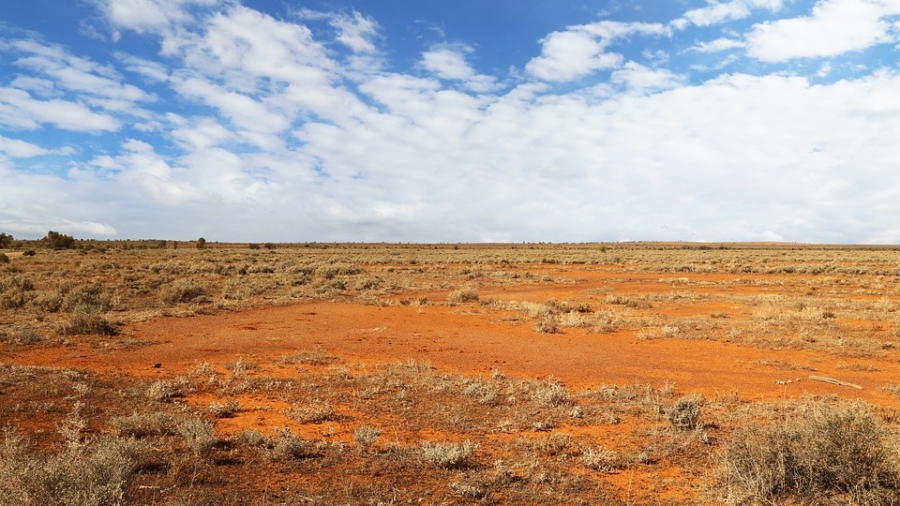
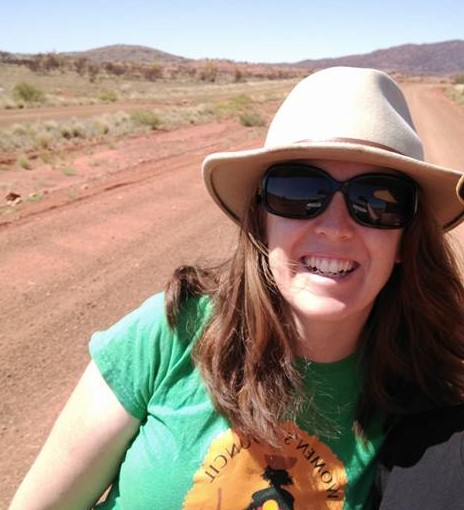 There’s something about the blue sky, the sparse landscape and the weaving of cultural stories that drew Louise O’Connor to Australia’s red centre. Far from her homeland of Ireland and not satisfied with the big city lights of Melbourne, Louise O’Connor packed up her meagre belongings and head to Alice Springs. She found herself working with the Ngaanyatjarra Pitjantatjara Yankunytjatjara Women’s Council as a Domestic and Family Violence Case Worker and hasn’t looked back. Since arriving, Louise has been drawn to narrative therapy as an approach for working respectfully with Aboriginal women. She now supports a team of case workers implementing the Council’s new domestic and family violence prevention framework developed in consultation with the Australian Childhood Foundation and the large group of women they support in the NPY lands. Louise brought with her a long history of case work with refugees and asylum seekers, youth and people at risk of homelessness or in crisis, both in Australia and Ireland. Louise’s passion for sharing stories and helping others tell theirs shines through in my conversation this week on ‘Talk the Walk’.
 Today’s conversation on ‘Talk The Walk’ has many gems, but particularly for counsellors and social workers interested in developing an evidence based program that is also culturally safe. Doug Dunlop is a senior counsellor with the ‘Holding Children Together’ program based in Alice Springs and working with surrounding town camps. Doug is part of the team leading a rigorous evaluation process, developed and mentored by the Australian Childhood Foundation and a Cultural Advisory Group. In episode 17 of Talk the Walk, we also get a glimpse into the man behind the work; his historical roots, his life experience, the values and principles he brings to his trauma-informed, culturally-safe practice framework.
 If you work in the area of trauma counselling, chances are you have an organisation or colleagues keeping a watchful eye out for the first signs and symptoms of burnout or vicarious trauma.
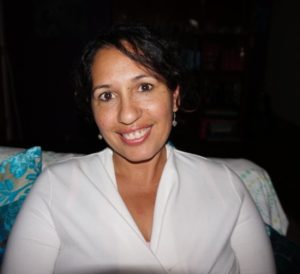 What a delight it was to be speaking with Tileah Drahm-Butler this week on ‘Talk the Walk’, about her journey into narrative therapy and her approach to working with Aboriginal and Torres Strait Islander people. Tileah’s passion for social work and giving Aboriginal people a voice shines through in this conversation. We also gain insight into the woman behind the work and the long list of inspiring women in her family that stand behind her.
 You don’t have to search too far to listen to the stories of despair, destruction or trauma in Aboriginal communities. These are widely played out in our media. However if we listen with intention much deeper, we will find something richer and more telling. The absent but implicit in these stories, are signs of strength, hope and resilience.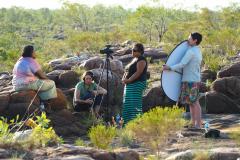
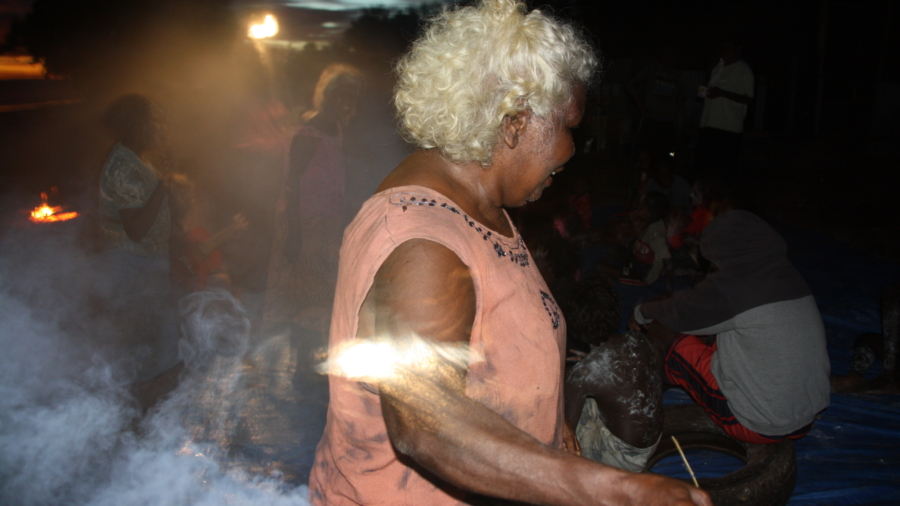
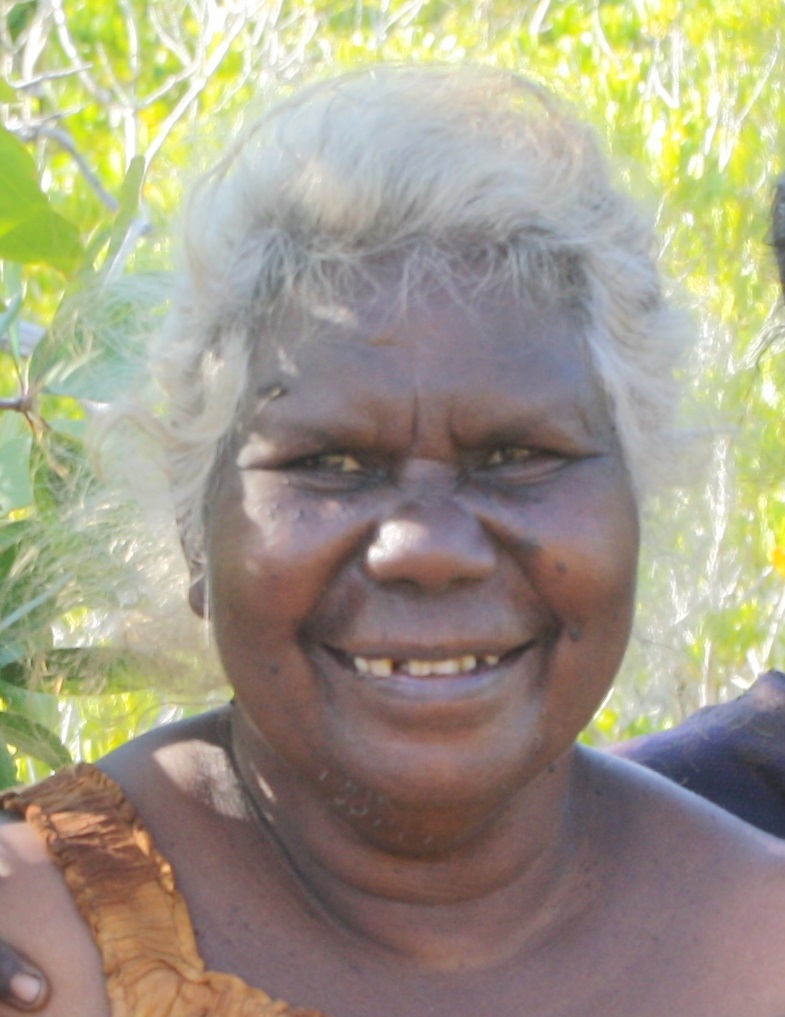
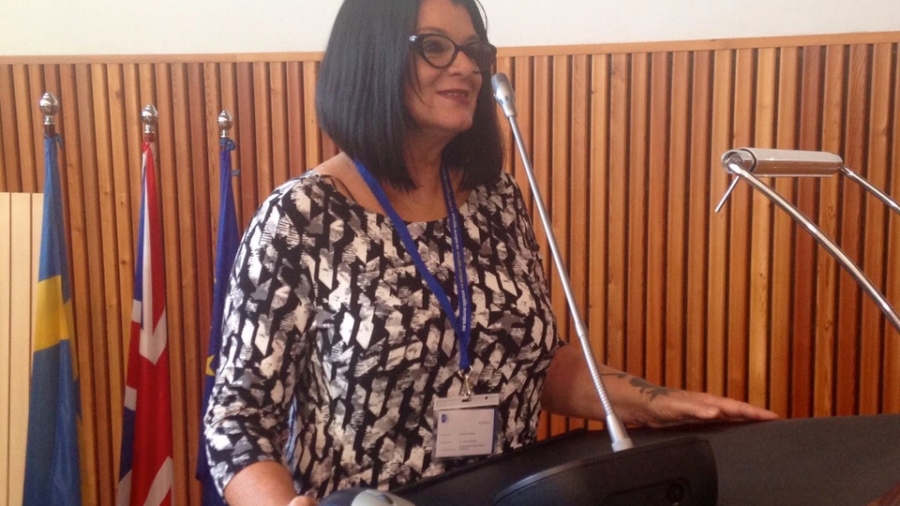
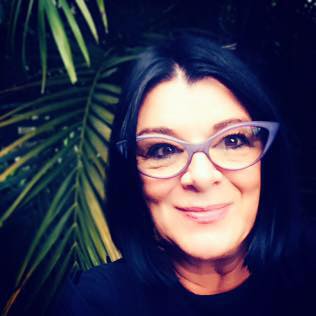 Anni Hine Moana, my guest this week on ‘Talk the Walk’ has over 40 years of experience from counselling in alcohol, drugs, gambling and mental health to supervision, lecturing and curriculum development. This is a fascinating conversation with a researcher whose passion is to see tangible outcomes for Aboriginal people accessing appropriate counselling services.