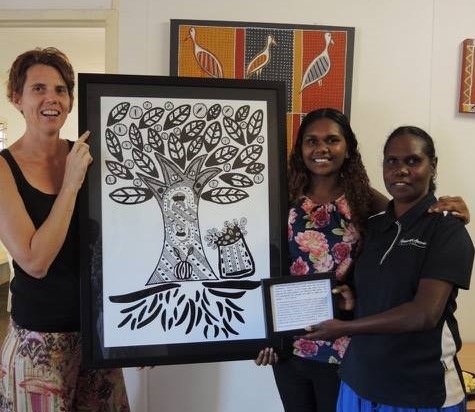
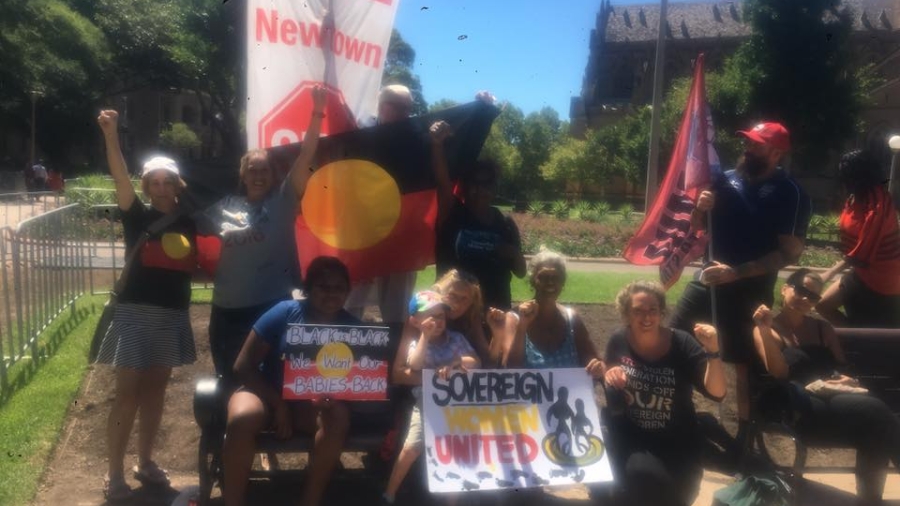
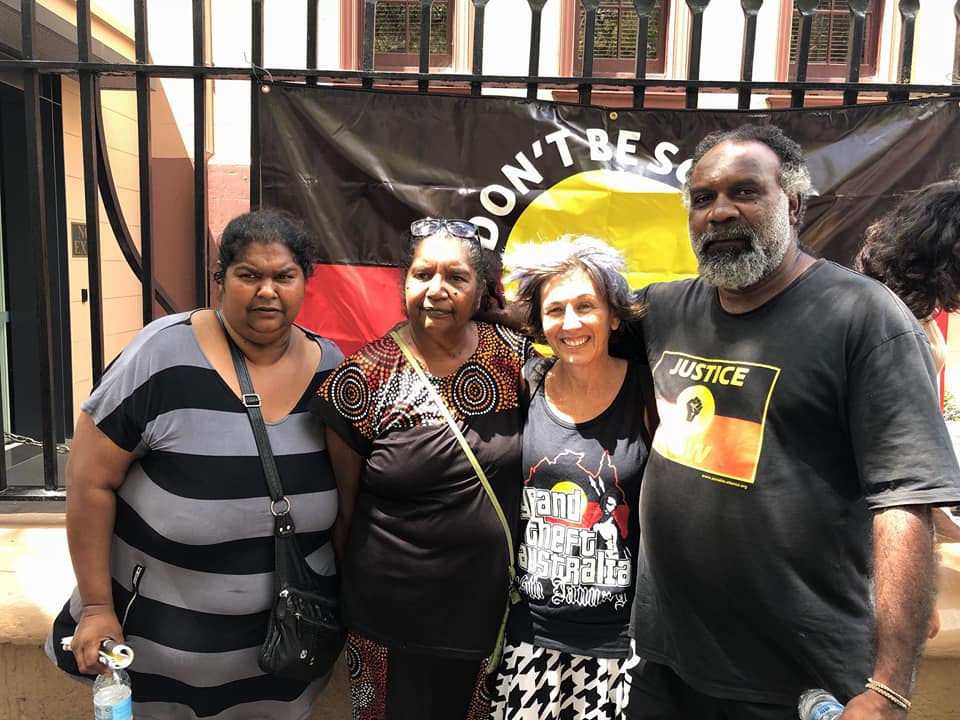
It is a fitting tribute for NAIDOC week, that I should be interviewing Sammi Lillie on ‘Talk The Walk’ this week. In this conversation, Sammi honours the many Aboriginal women that have supported and vouched for her on her journey into social work with First Nations peoples. Having just graduated from her Masters of Social Work, Sammi reflects on her placement experience of co-ordinating the Child Removal campaign at ANTAR Qld (Australians for Native Title and Reconcilitation).  Driven by personal family interests as well as deeply held values and a commitment to self determination, Sami shares the ingredients that have made practising Indigenous policy and advocacy work successful as a non-Indigenous woman. Social work students considering their future placements will find this episode invaluable and current non-indigenous practitioners will discover pearls of wisdom for standing alongside our Indigenous brothers and sisters for recognition and justice.
In episode 24 of Talk the Walk we explore:
- Why social work students should consider a placement experience in policy and advocacy work
- The current state of affairs in relation to the removal of Aboriginal and Torres Strait Islander children from their families
- The state of child protection legislation in Queensland after adopting the principle of self determination in 2017
- The need for a national inquiry into the over-representation of Aboriginal and Torres Strait Islander children in out of home care
- How you can support the Family Matters initiative to make a difference
- Sammi’s greatest learnings working on Indigenous advocacy campaigns and policy development
- The social work theories that influenced Sammi’s developing practice framework
- Sammi’s concept of a ‘pro-Indigenous theory’ arising out of her interest in the work of Bob Pease on pro-feminism
- Sammi’s personal connection to the Stolen Generations and the other motivating factors that make her so passionate about addressing discrimination
- How Sammi has avoided major struggles in the work by acting with integrity, honesty and ‘cultural courage’
- Knowledge that social workers should have but are just not getting
- Unpacking the values underpinning Sammi’s work and life
- The mentors and rolemodels that continue to inspire Sammi in her work
- Reflections on proud moments, avoiding mistakes easily made, and Sammi’s plans for the future
- Final advice for other social work students considering their placements
To listen to this episode simply click on the Play button below or listen via the Stitcher App for iOS, Android, Nook and iPad.

You can also subscribe to podcast and blog updates via email from the Menu on the Home Page.
Don’t forget, if you or someone you know would make a great interview on ‘Talk the Walk’, send us an email from the Contact Page.
Things to follow up after the episode
ANTaR National website and Sign Up here for their Newsletter
Like Sammi’s Facebook Page ‘Ally Through Advocacy’
Sammi’s Reading List
Clare Tilbery, ‘The over-representation of indigenous children in the Australian child welfare system’, International Journal of Social Welfare.
Bob Pease, ‘Men as Allies in Preventing Violence against Women: Principles and Practices for Promoting Accountability’.
Bindi Bennett, Sue Green, Stephanie Gilbert, Dawn Bessarab (eds), Our voices : Aboriginal and Torres Strait Islander social work.
Bindi Bennett, Joanna Zubrzycki, J & Violent Bacon, ‘What Do We Know? The Experiences of Social Workers Working Alongside Aboriginal People’.
Christine Fejo-King & Linda Briskman,‘Reversing colonial practices with Indigenous peoples’
Christine Fejo-King, Let’s Talk Kinship.
English, Peter. ‘Land rights and birthrights, (the great Australian hoax) : an examination of the rights of ownership of former Aboriginal land in Australia’.
Aileen Moreton- Robinson, Whitening Race, Aboriginal Studies Press, Australia.
Robyn Lynn, Rosamund Thorpe, Debra Miles, Christine Cutts, Anne Butcher, Linda Ford Murri Way! Aborigines and Torres Strait Islanders reconstruct social welfare practice.
Tom Calma & Emily Priday, ‘Putting Indigenous Human Rights into Social Work Practice’, Australian Social Work.
Elizabeth Fernandez, ‘Child Protection and Vulnerable Families: Trends and Issues in the Australian Context’, Social Sciences.
Contact Sammi at sammililli(at)gmail(dot)com
Podcast: Play in new window | Download
Subscribe: RSS
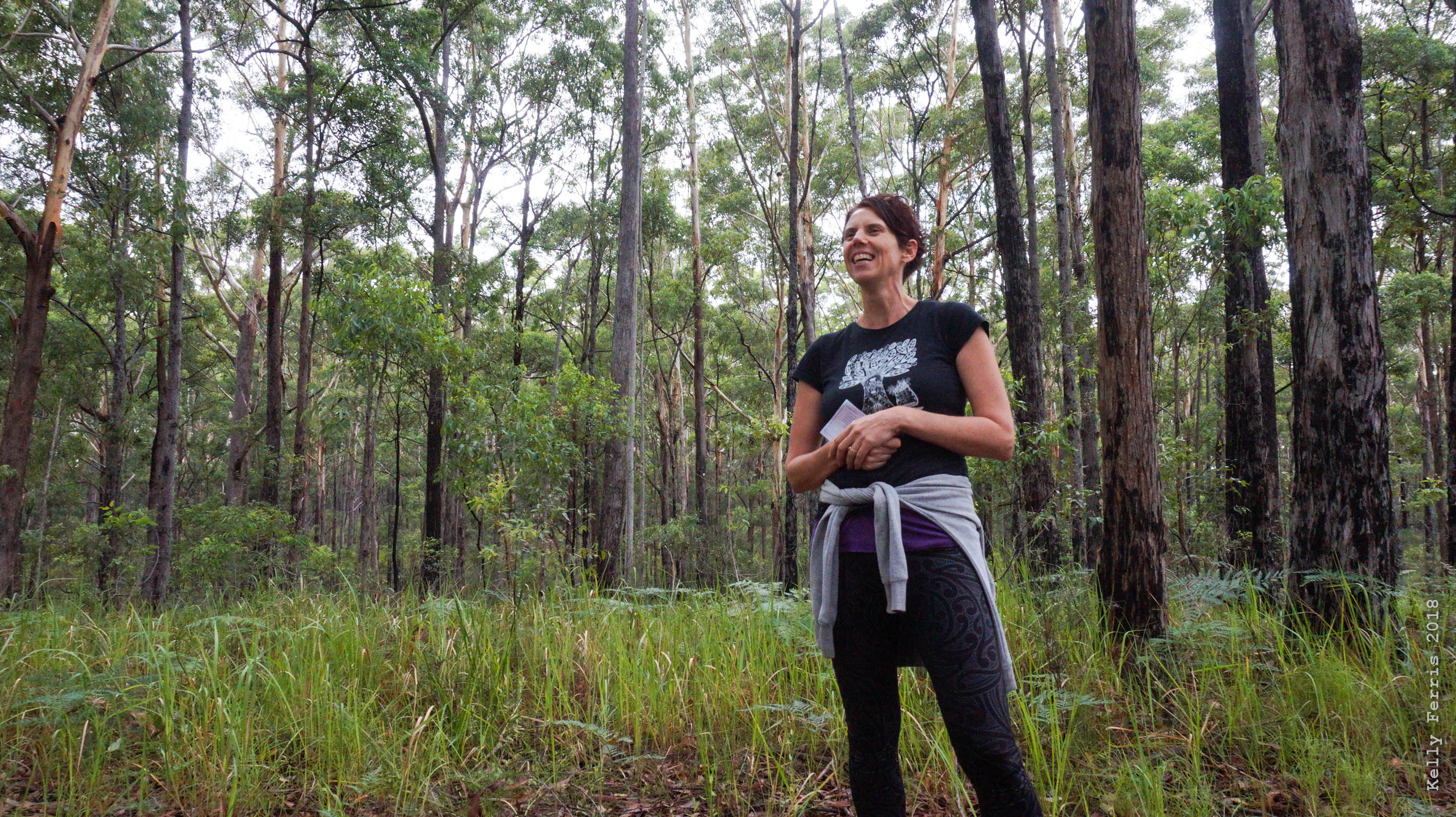 You may be familiar with my passion for the environment and special interest in how nature can work with us in promoting health and wellbeing for people and the planet. While, I am concerned about the rapidly increasing rates of anxiety and depression across the world, I am hopeful and excited about the growing body of research demonstrating the benefits of nature connection to our physical, mental, spiritual and social health. Indigenous cultures (including
 The impact of stress usually results in deteriorating work performance, taking more time off and running down your immune system. Illness has a direct effect on both the quality and quantity of your work. You will work more slowly than usual, make more mistakes or need to repeat tasks. This lower labour productivity translates to increased costs for employers.

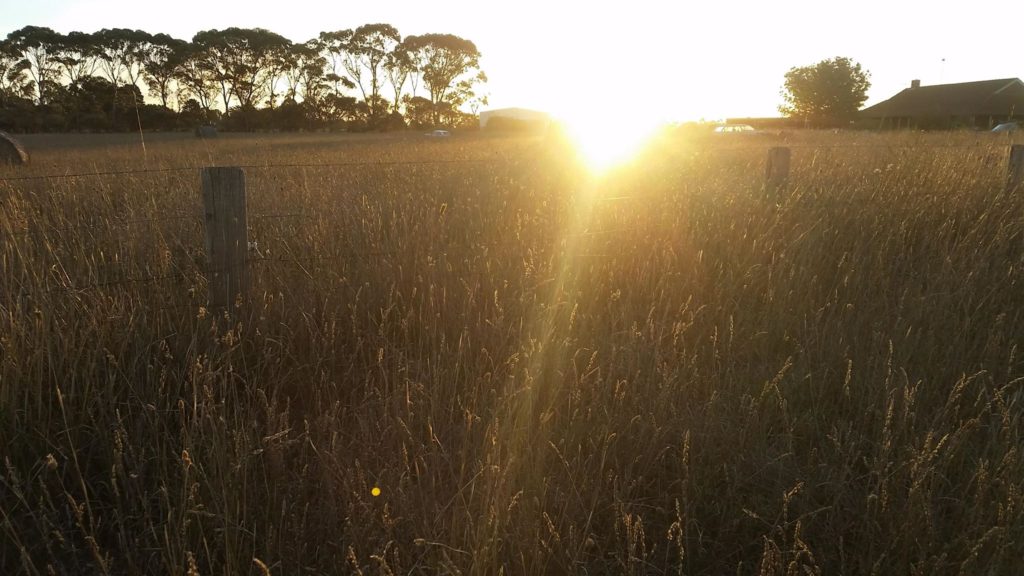
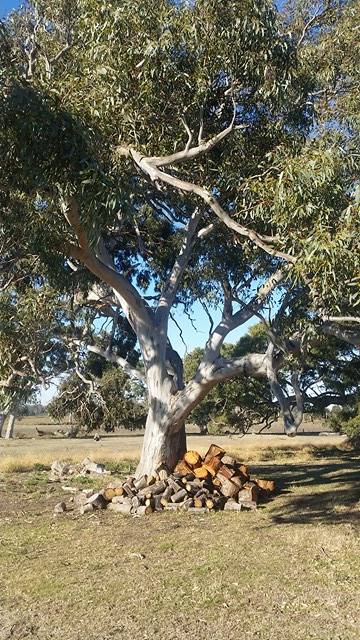
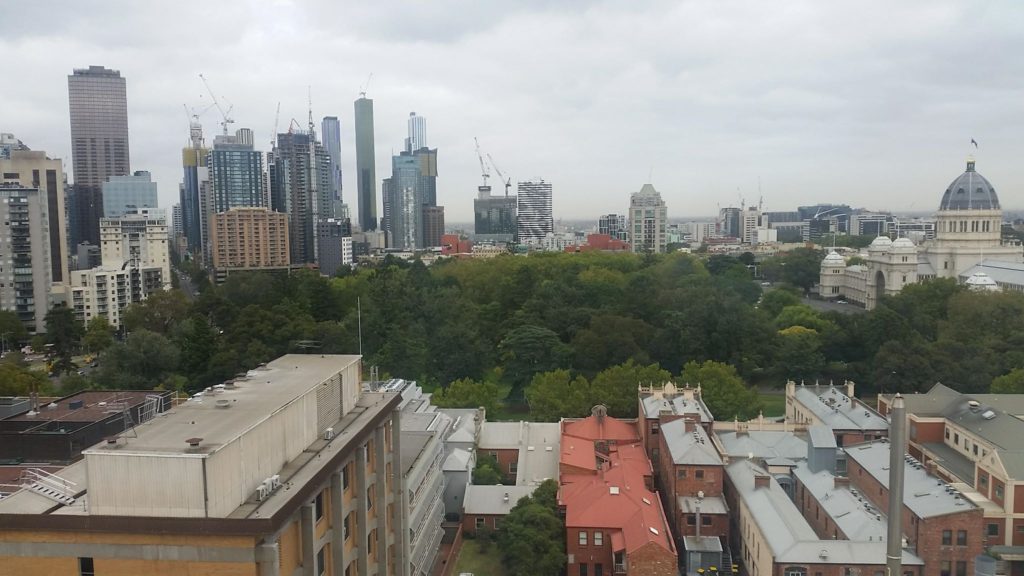
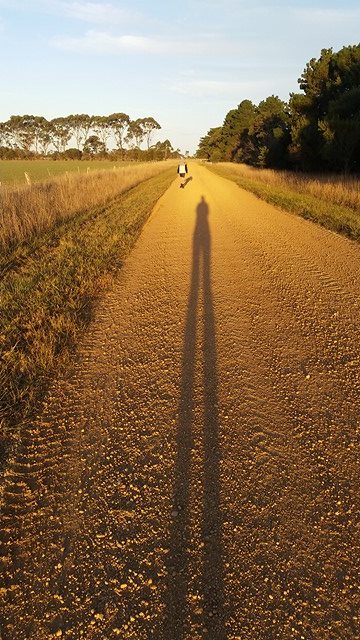
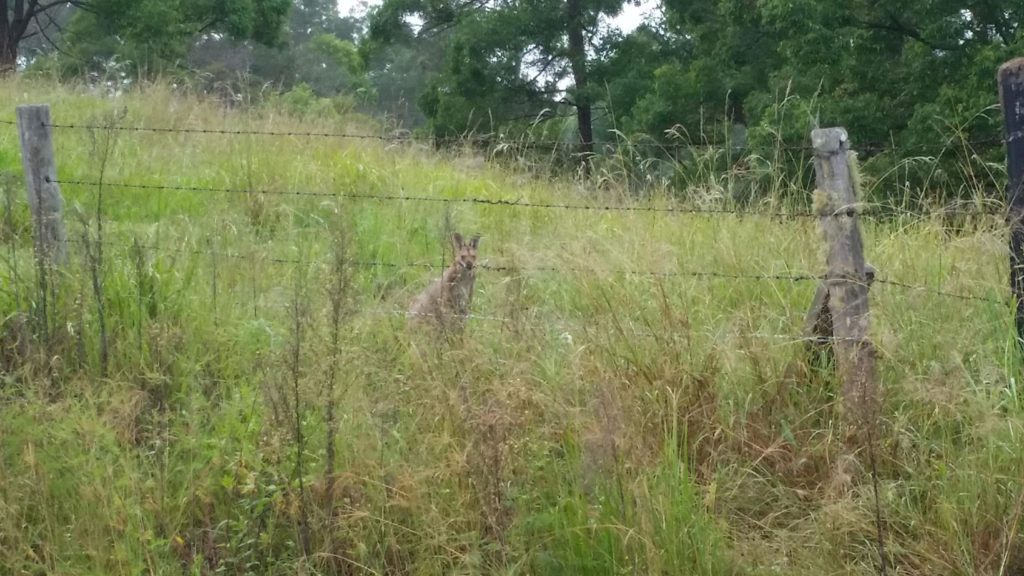 I watched him as he sat at a safe distance plucking up the courage to look back at the strange phenomenon he had just encountered. It must have been a shocking discovery to find me sitting there. I couldn’t help but feel sad that he wasn’t brave enough to continue on past me, as if I was invisible. Or just a part of nature too. Part of his web of life.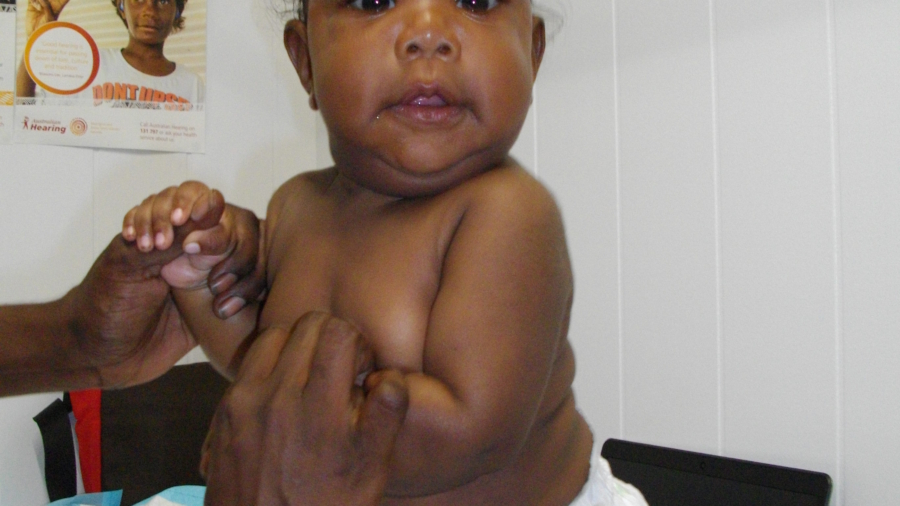
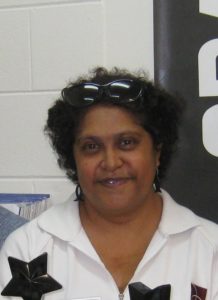 It is a short but oh so sweet conversation, this week on ‘Talk the Walk’. As is so often the case, social workers are busy people and taking a half hour out of the daily schedule is precious time. My guest is Diana Jans, an Aboriginal maternal health social worker with Apunipima Cape York Health Council. After several years working as a teacher with vulnerable children, it was obvious to Diana she needed more skills to be able to meet their needs. Join me, as we take a quick trip down memory lane with Diana and discover what it takes to be a remote social worker.
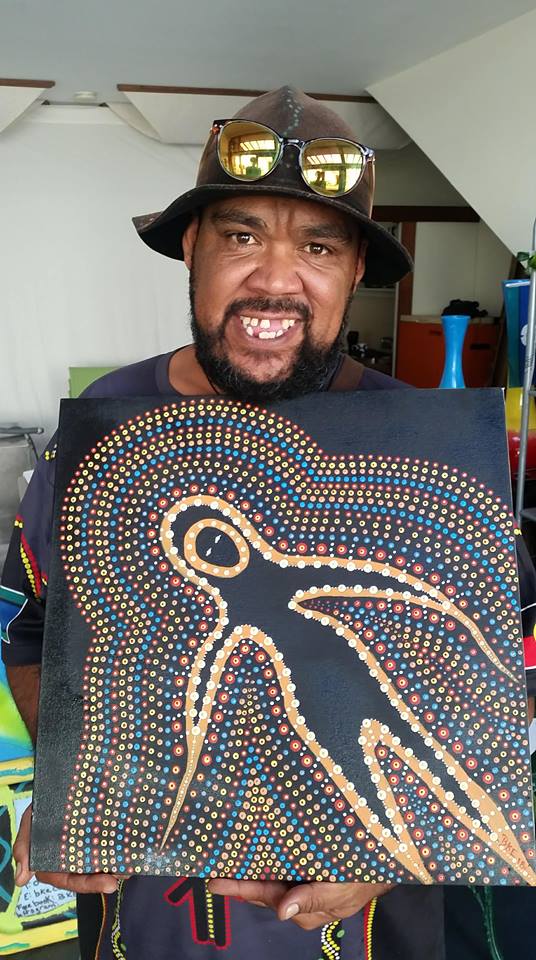 This week on ‘Talk the Walk’ I sit down with Bernard Kelly-Edwards in the middle of his tiny art shop in the thriving alternative community of Bellingen. Bernard is surrounded by paintings, expressions of who he is, a local Gumbayngirr man, and symbols of the deep spiritual connection to country that he shares with others.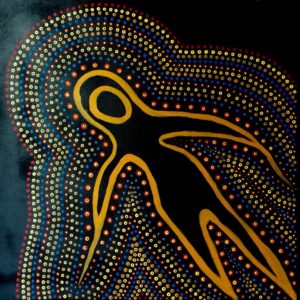
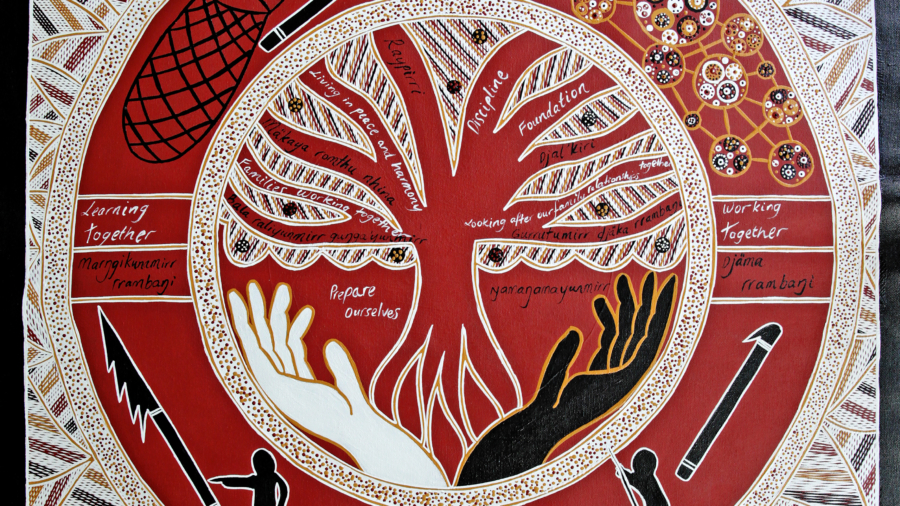
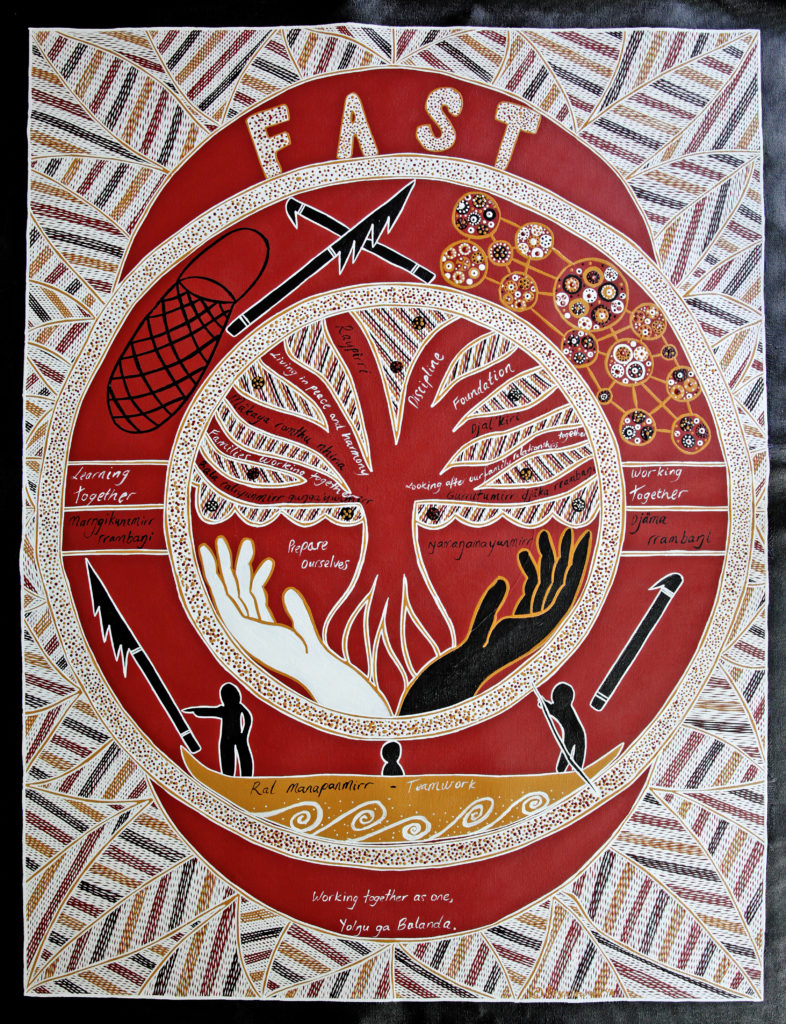
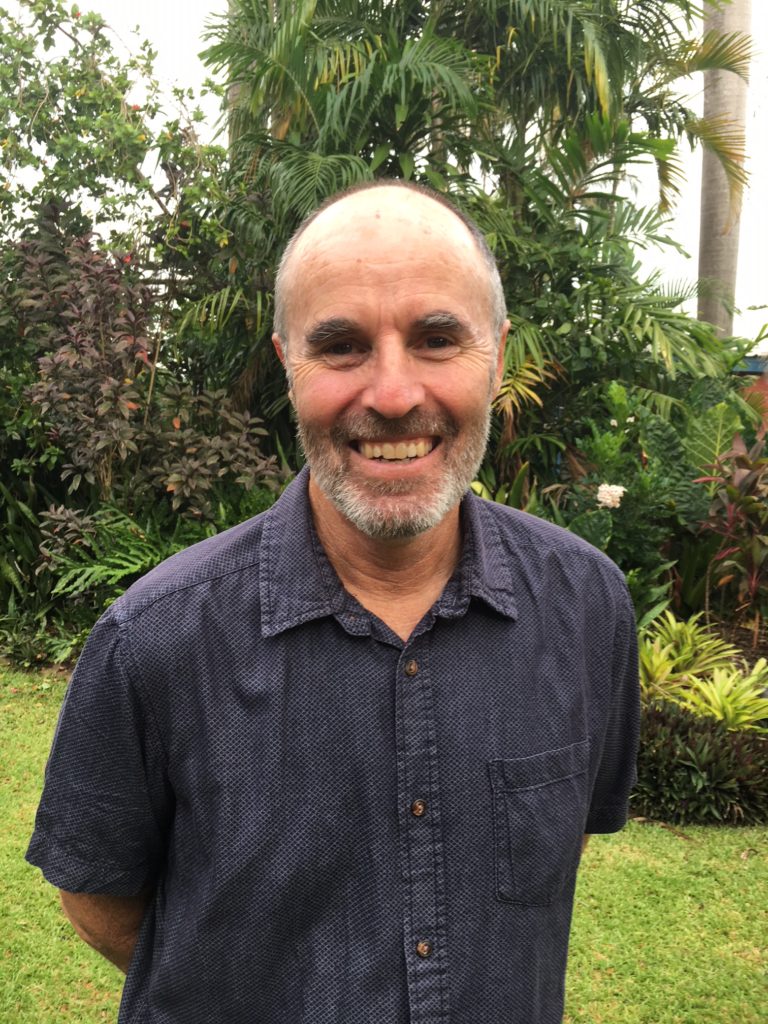 In this episode of Talk the Walk, we delve into the working life of Malcolm Galbraith, Manager of Families and Schools Together (FAST) in the Northern Territory. We discover not only what makes FAST one of the most successful strengths-based programs in remote Australia, but what drives the man behind the project. A man of strong Christian faith, Malcolm admits some of his ideas might be controversial, yet the evidence speaks for itself – Yolngu people love it! Before you scoff at the idea of bringing an American-based program into an Indigenous Australian context, listen to this story. As intriguing as it is thoughtful, this behind the scenes tour of FAST NT may just turn your worldview on its head.