Reflections for a New Year by The Outdoor Counsellor
As one year turns into another, I find myself reflecting on how deeply my work as a therapist and my life on the farm continue to inform one another. Yintarini Farm is not just where I live or work – it is an active participant in my therapeutic practice, a place of relationship, learning, repair, and community.
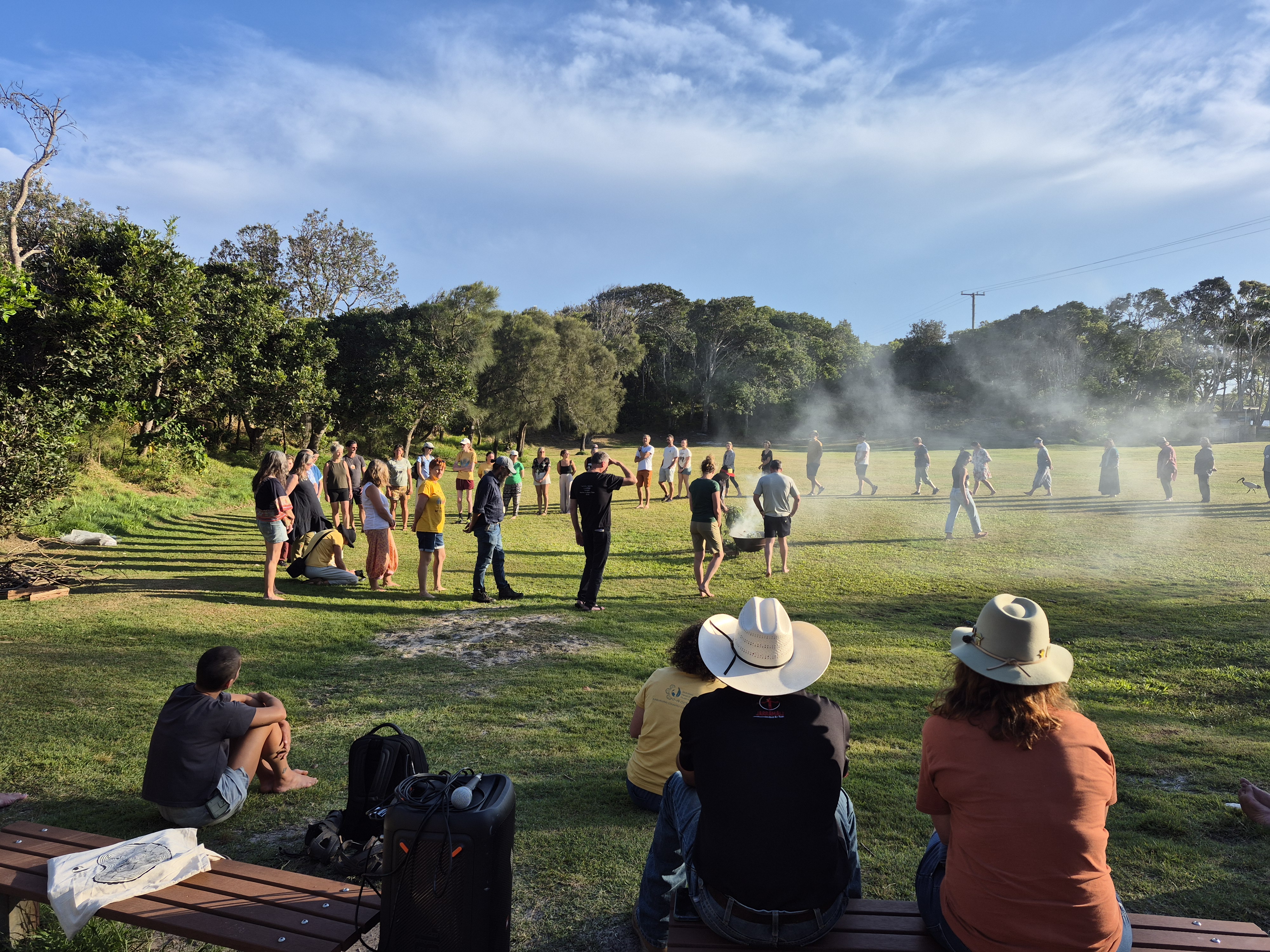
I often describe nature as my co-therapist, but that relationship is not one-way. It is reciprocal. It asks something of me in return. It asks me to listen, to slow down, to give back, and to acknowledge the long history of care that existed on this land long before I arrived. At Yintarini Farm, this commitment is made tangible through our decision to Pay the Rent, recognising First Nations sovereignty and our shared responsibility to care for Country.
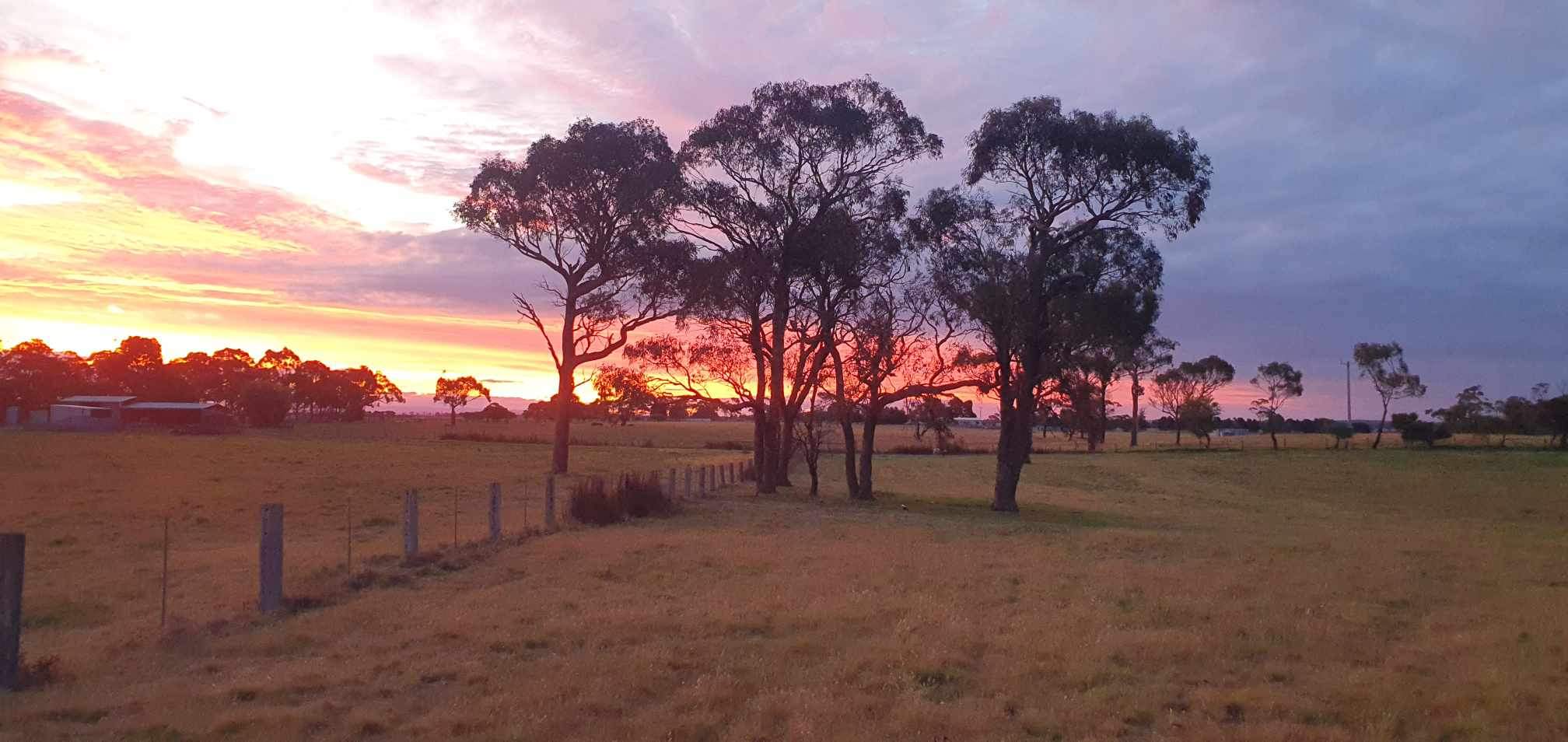
A year of growth on the farm
This year felt like one where many longer-term visions of a more regenerative way of living began to take clearer shape.
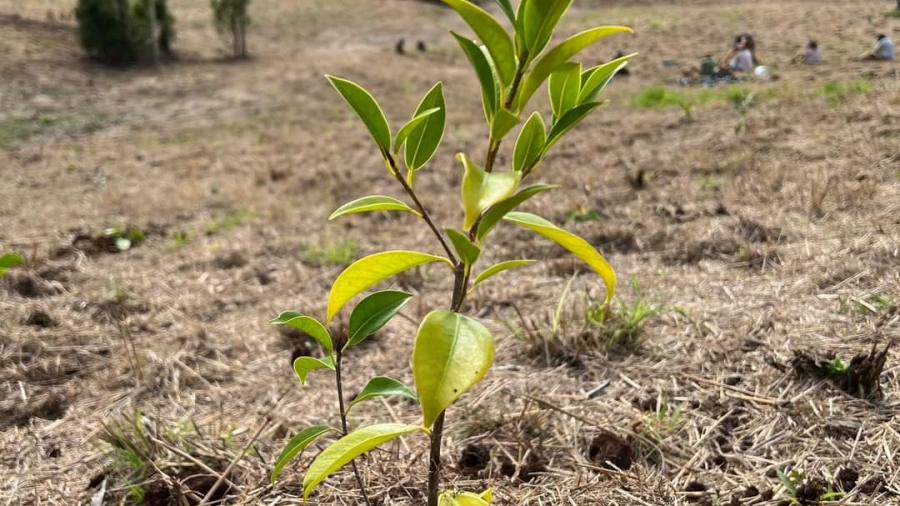
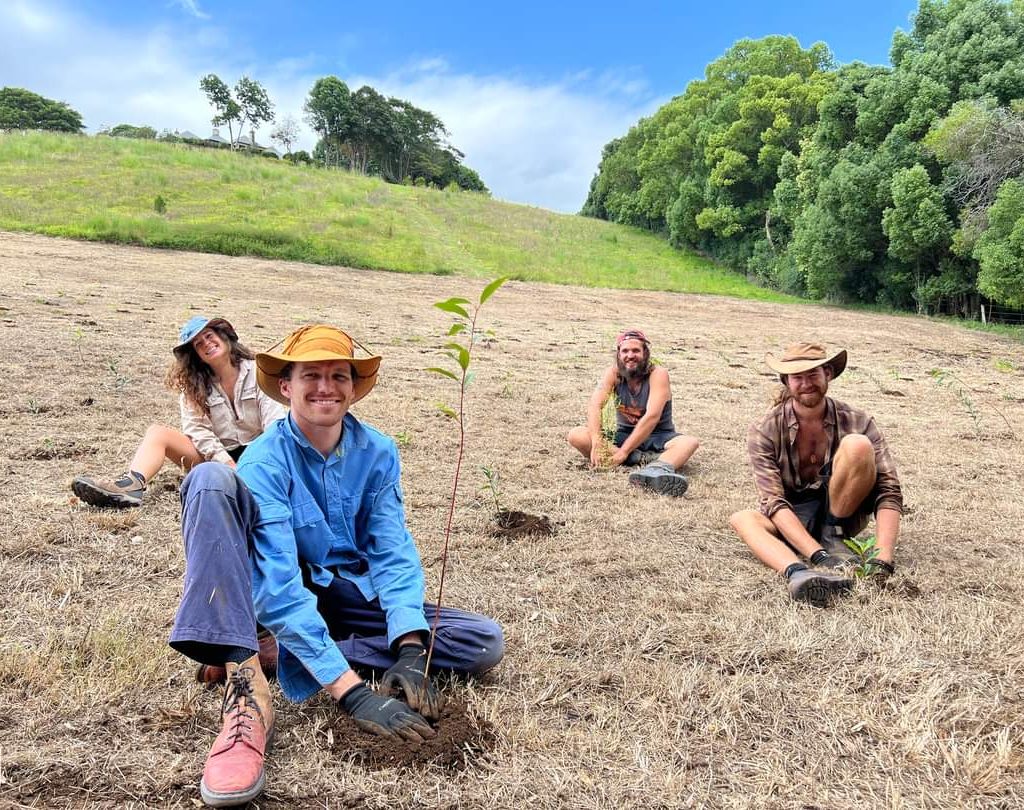
Eighteen months ago, we planted native trees in the front paddock. This year, I have watched them take hold, growing stronger, taller, and more resilient. These trees represent the beginning of our vision for a wildlife corridor, offering food and shelter for koalas, kangaroos and echidnas. Watching them grow has been a quiet but powerful reminder of what happens when we invest in futures we may never fully see.
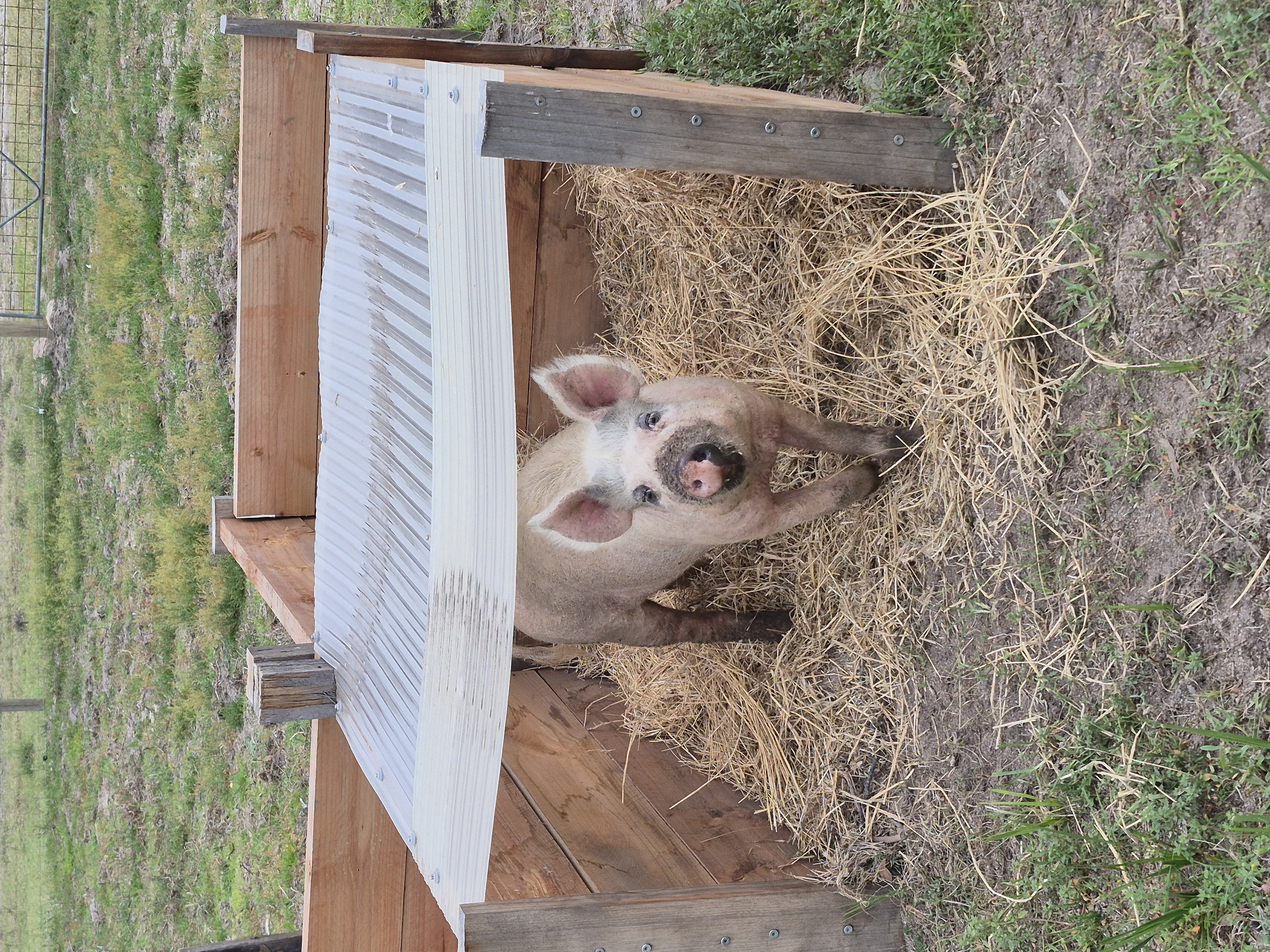
We also completed the fencing of our new orchard and permaculture garden area – a milestone that has allowed us to intentionally work towards integrating animals, food production, and ecological care. Alongside this, new animals joined the farm to support both the practical work of land care and the therapeutic work that happens here.
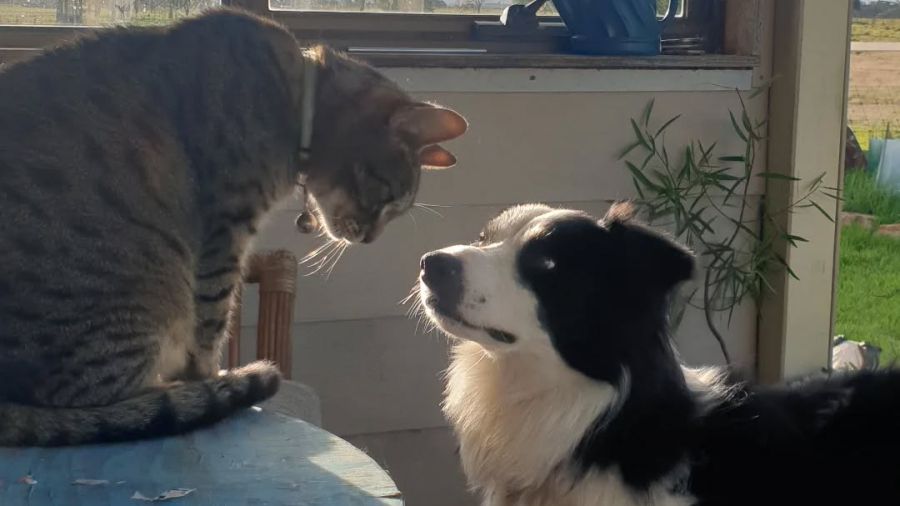
Kelly, the pig arrived and is earning her place as both worker and gentle therapy presence. We welcomed more chickens to help care for the orchard, and two alpacas – Bluey and Charlie – who now guard our sheep with calm vigilance. The animals become teachers in their own right, particularly for children who struggle to communicate with words and instead connect through observation, touch, and shared rhythm.
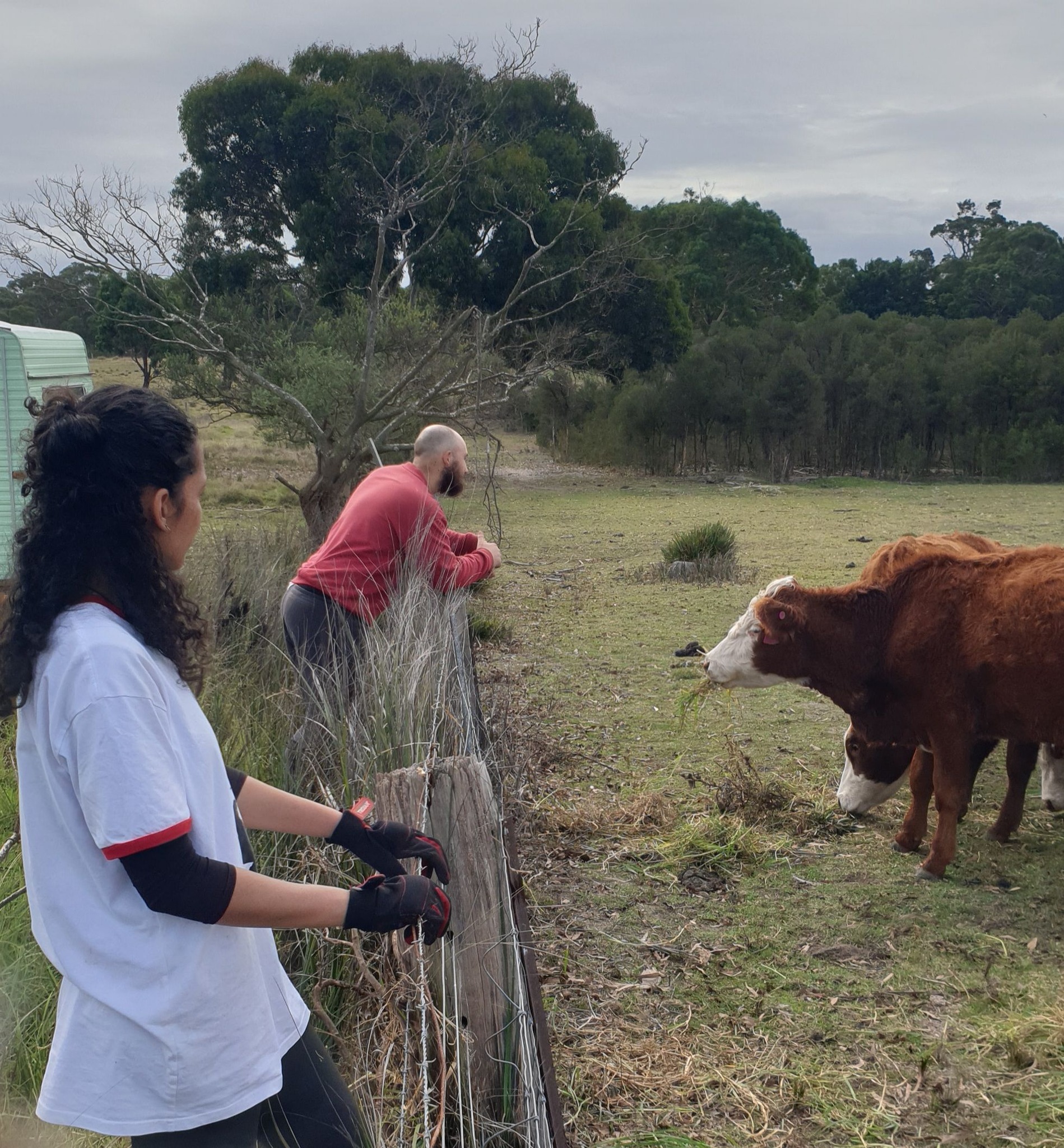
This year also marked our first time welcoming HelpX farm helpers. Offering food and accommodation in exchange for help on the farm has been one of the unexpected joys of the year. I’ve loved welcoming curious, enthusiastic learners who want to understand how permaculture principles can be applied to life, and who are open to conversations about caring for Country through both ecological and First Nations perspectives. These relationships, built on respect and shared purpose, feel deeply aligned with how I understand healing.
Other highlights included:
- undertaking a learning program focused on growing fruit trees
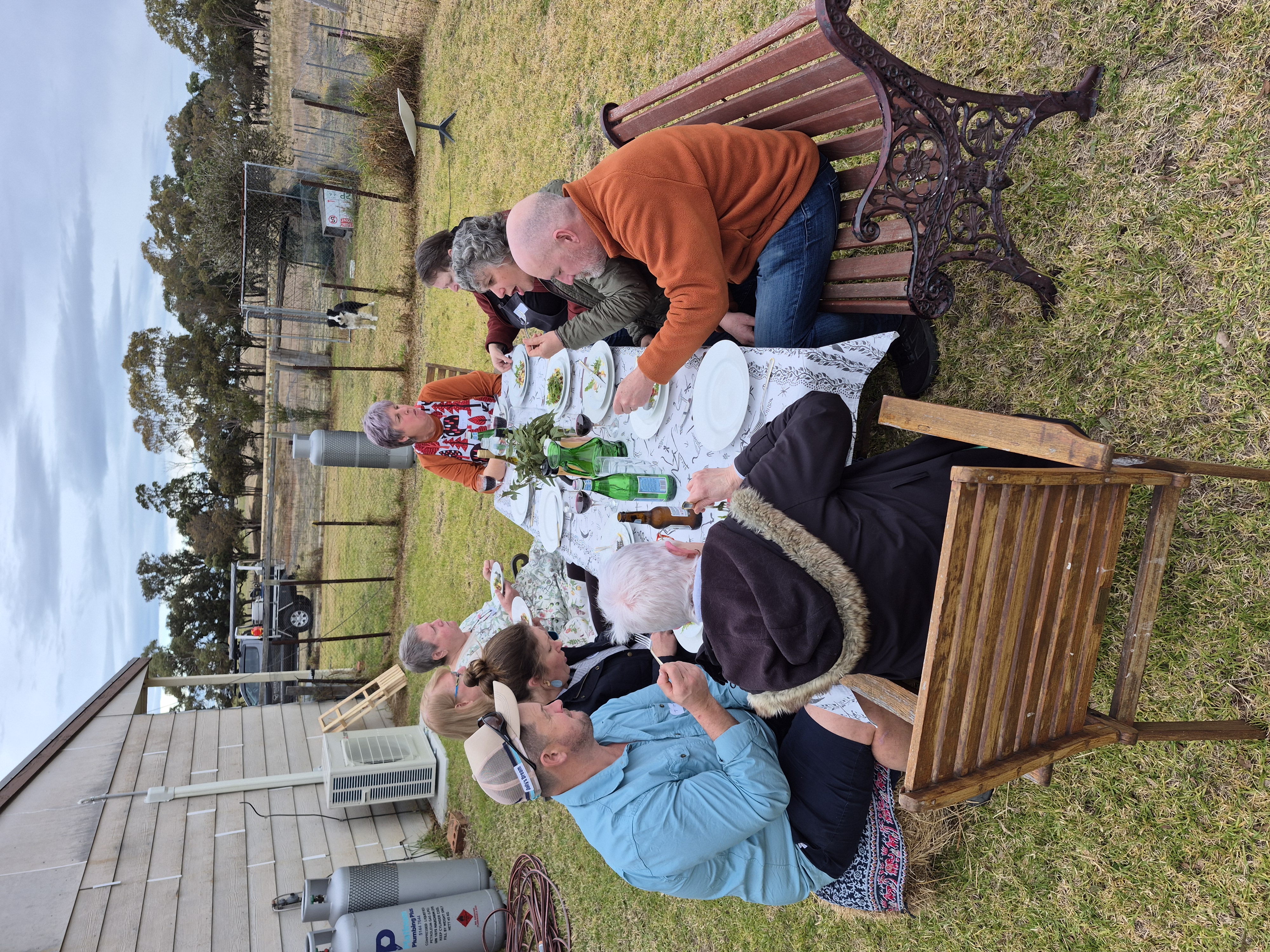
- partnering with SBA’s Kitchen to host our first Paddock to Plate event, featuring our home-grown lamb
- hosting our first ‘Soul Saturday’ for nurturing wellbeing
- catching my first bee swarm (with generous mentorship from Adrion Iodice at Beekeeping Naturally) and watching our bees settle in – after a very creative start to their comb building
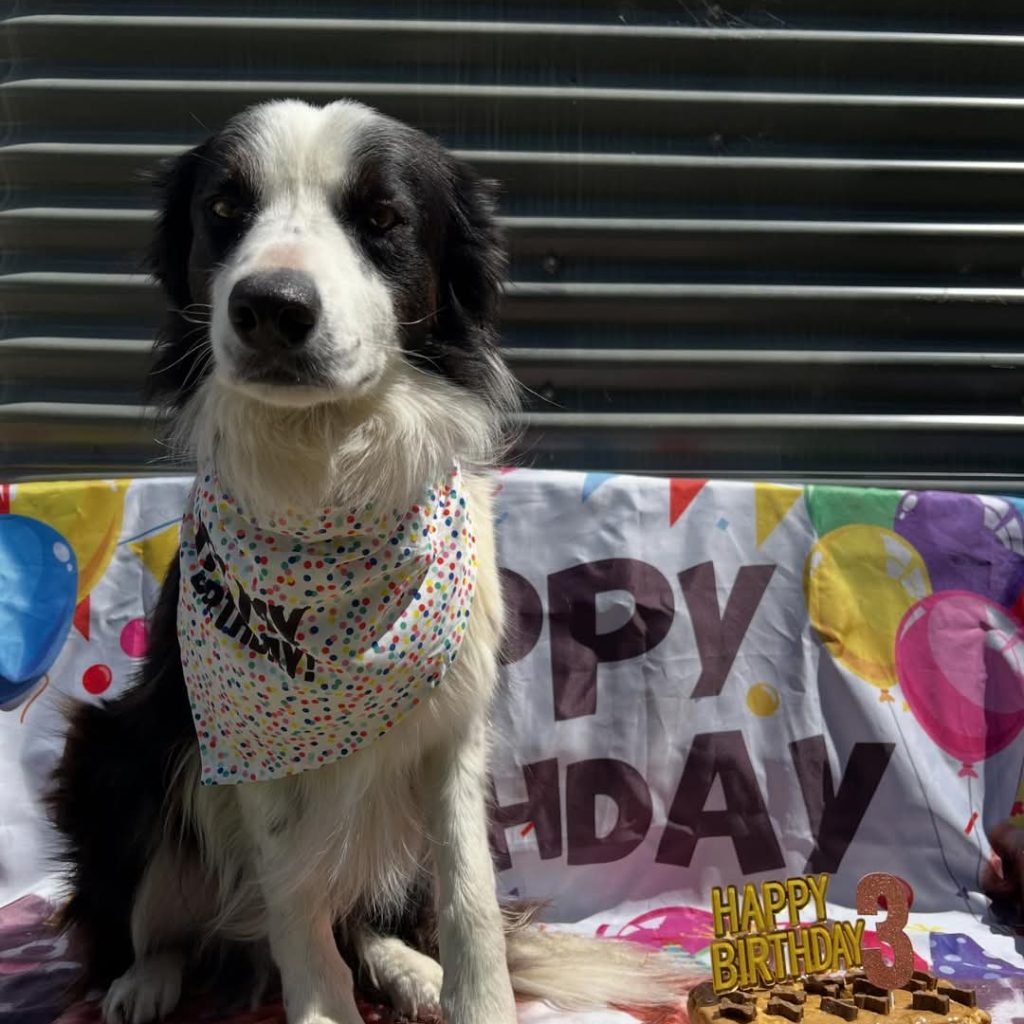
- welcoming 12 new Wiltipoll lambs in our second year of breeding, including another bottle-fed baby, Jane, who formed close bonds with visiting child clients and HelpXer, Ying Ying
- finally getting the slasher, rake, and haybaler all working at the same time to make our first bales off the paddock – a small miracle
- completing an oyster mushroom course at Wattlebank Farm, beginning to grow shrooms at home, and later facilitating a mushroom workshop at Paddock to Plate
- starting a produce swap at our local community garden – an idea I carried with me from Darwin – creating a simple but powerful way for people to share abundance
Reflections from my therapeutic work
Alongside the farm, my work through my private practice – Metaphorically Speaking – has continued to grow in ways that feel aligned with my values.
In a voluntary capacity, I continued coordinating the Mental Health Professionals Network, alongside two colleagues, expanding connections between practitioners and strengthening professional community. I also continued to run Climate Cafés – a volunteer initiative offering people a safe, supported space to explore climate emotions such as grief, fear, anger, and helplessness.
Community connection remained central this year. I expanded my community offerings by holding space at the Sustainability Festival in Sale, inviting conversations about climate change and mental wellbeing. My plot at the Seed Community Garden continued to produce herbs for mental health and wellbeing, which I share with my clientele as part of a broader practice of care.
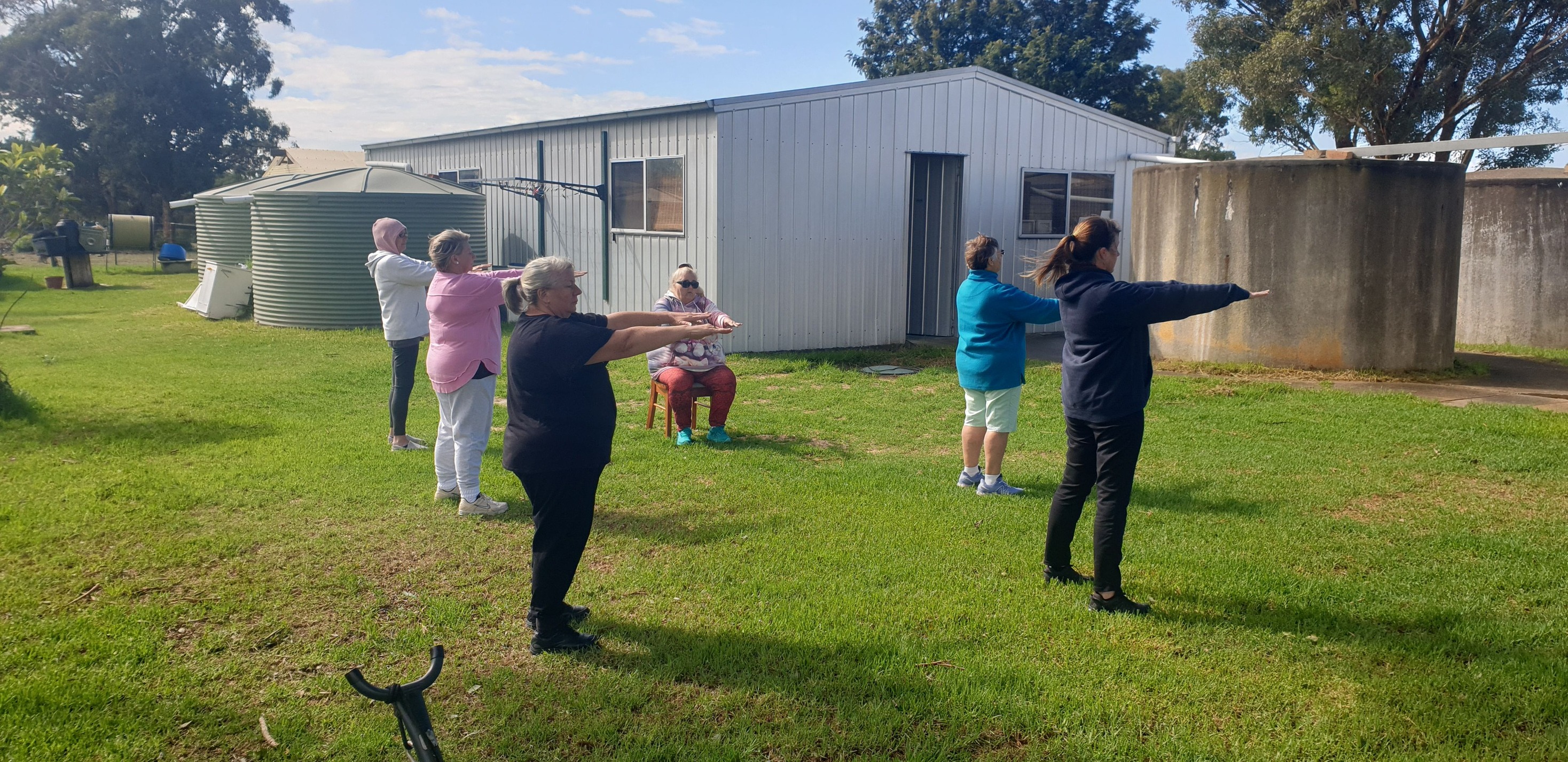
I also expanded my walk and talk therapy offerings to include Sale Common and the Wetlands – places that allow for both movement and stillness, and for conversations that unfold more gently side-by-side.
Giving back remains a core part of how I practise. This year, I donated $888 to ReForest Now – one dollar from every counselling and supervision session. Alongside our Paying the Rent commitment, this initiative reflects my belief that decolonising social work practice includes actively supporting ecological repair.
A personal highlight was attending the Outdoor Health Forum in Lennox Head, where I presented on my work with a client exploring the mental health benefits of gardening in his pursuit of justice. It felt affirming to share how deeply outdoor, relational approaches can support wellbeing.
Looking ahead to 2026
As I look toward 2026, I feel a sense of grounded optimism.
Yintarini Farm will be launching a Year of Sustainable Living, offering more opportunities for the community to participate in workshops across gardening, cooking, art and crafts, and wellbeing. These offerings are about skills, of course – but also about relationship, confidence, and collective care.
In my therapy work, I will be:
- incorporating new animals, including the pig, chickens, and guinea pigs, into sessions with children, particularly those who find verbal expression difficult
- developing an NDIS group program for high-school-aged young people, drawing on horticulture therapy, nature-based therapy, and animal-assisted approaches
- co-designing this program with young people themselves (the way I’ve always done things!) so it reflects their interests, needs, and ways of learning
- running Recipes of Life, a mental health initiative funded through a grant at Seed Community Garden – bringing together people from diverse cultural backgrounds to share food, recipes, culture, and stories as a way of reducing isolation.
Healing people, healing planet
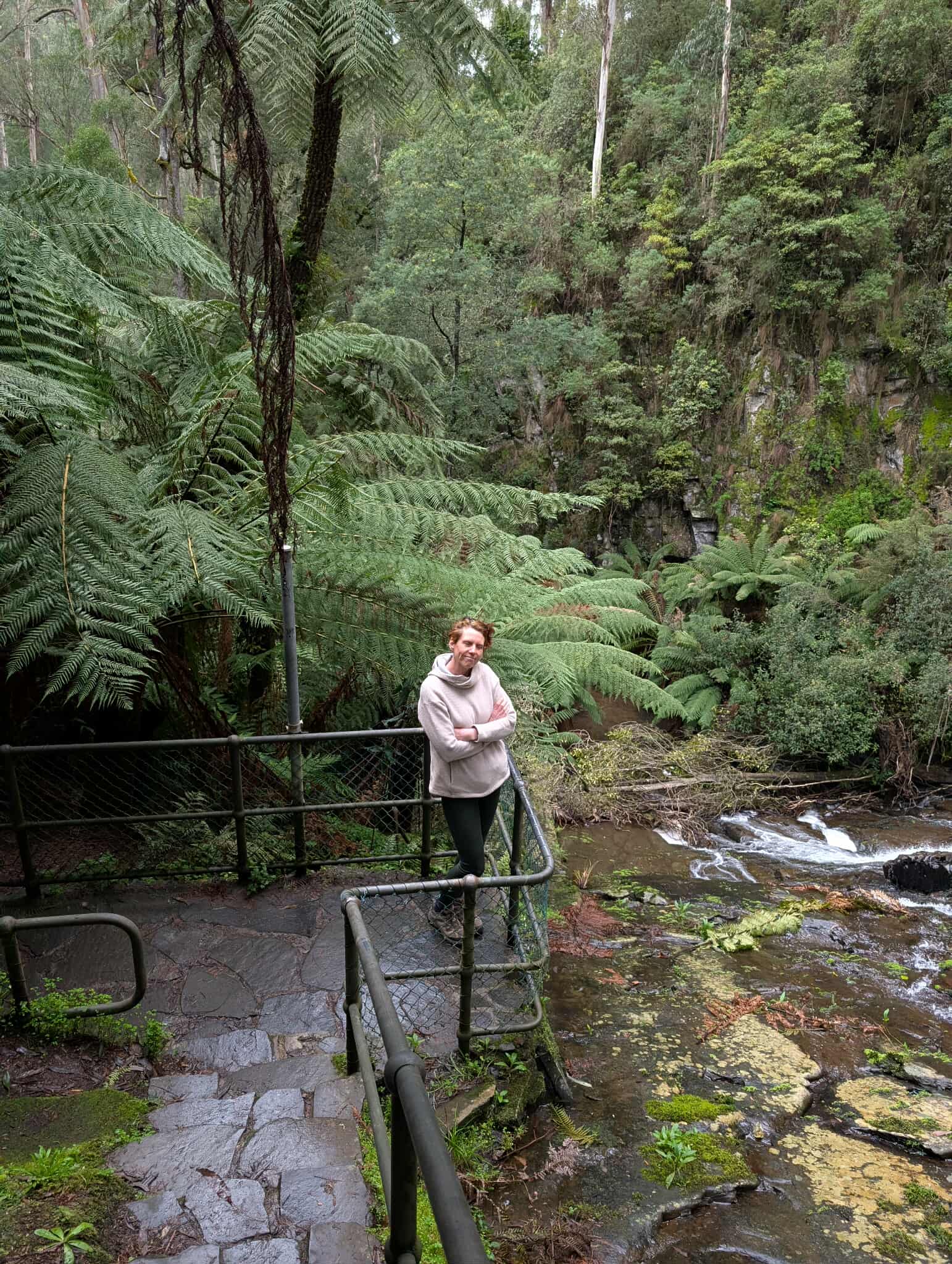
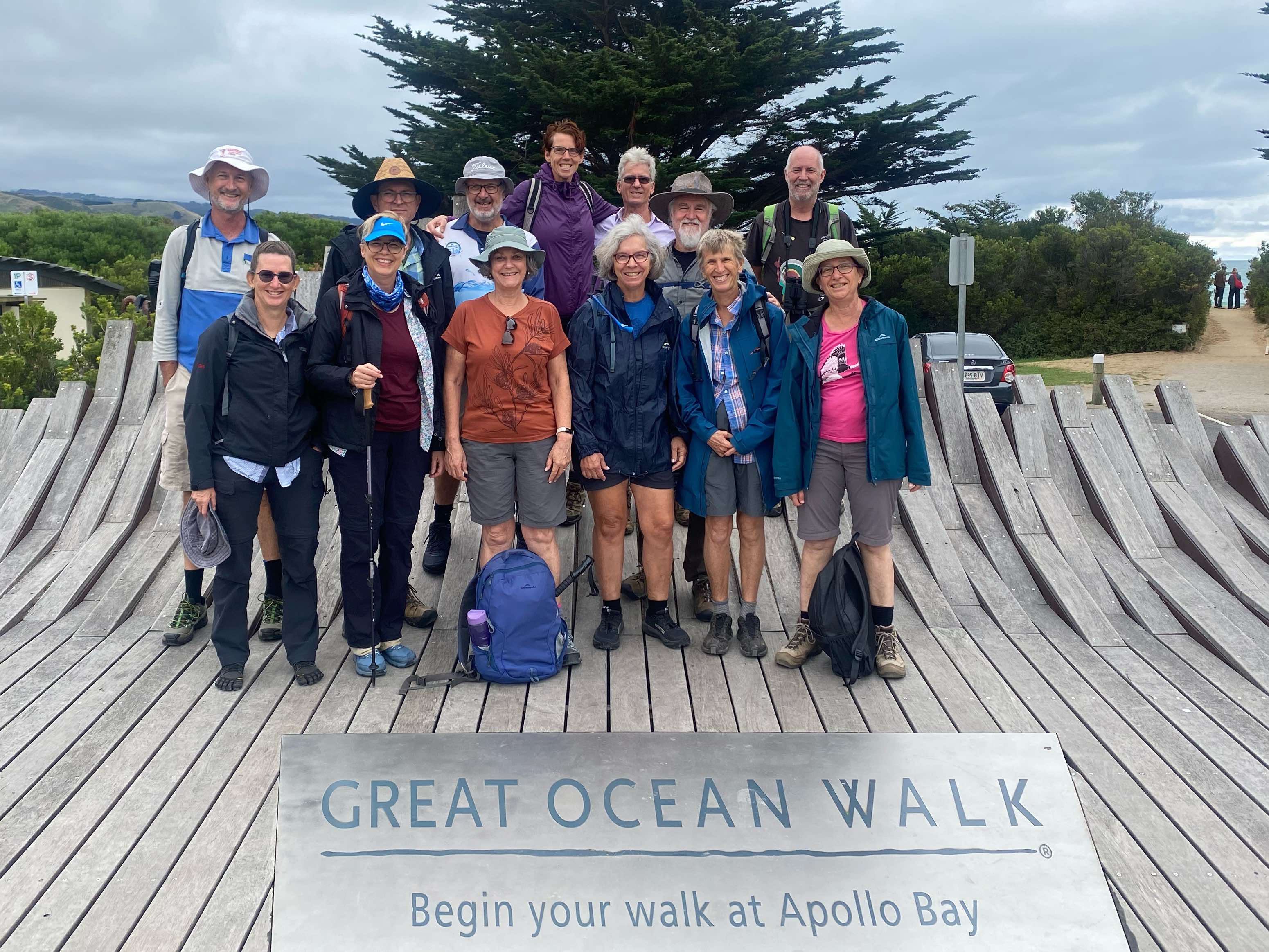
On a more personal note, one of my highlights this year was walking sections of the Great Ocean Walk in April with a gathering of my Darwin friends – a reminder of the importance of friendship, movement, and shared experience. I made some spanking brand new amazing friendships, in a move that feels like I’m finally finding my tribe in this community. I also participated in my first Challenge for Climate, committing to ten new actions to live more lightly on the earth.
I hold a strong belief that healing the planet and healing ourselves go hand in hand. We cannot do one without the other.
As I enter this new year, I remain committed to offering therapeutic spaces that are relational, grounded, and connected to place – spaces where people, land, animals, and stories are all honoured.
Thank you to everyone who has walked alongside me this year – on the farm, in sessions, at events, and in community. I look forward to what the next season brings.