
by Saasha Jenkins
Note: To protect the privacy of individuals mentioned in this article, initials have been used instead of full names.
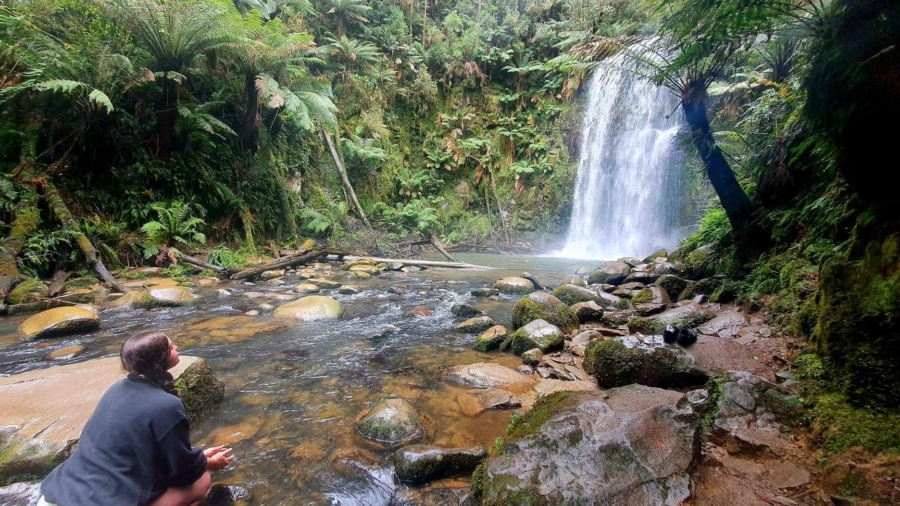
Before entering the counselling field, the wild green forests, powerful waterways, wise old trees and the open sky had become places of safety, belonging and emotional restoration for me – spaces where I felt heard, held and understood. For my first university placement I chose to find a nature-based therapist. This is how I met Lucy and got to do my placement on her permaculture farm, in the community garden, at the local fauna park and walking around the lake. This deepened my connection to nature that has supported me throughout my life. Experiencing nature‑based therapy firsthand surprised me in how naturally the land entered the work, with the land, weather, wildlife, and metaphors shaping conversations and helping clients feel more at ease. This paper brings together contemporary research, indigenous wisdom, my lived experience, interviews with Lucy’s clients, Seed Community Garden volunteers and nature‑loving community members to explore how nature supports healing across emotional, physical, social and existential dimensions. Thank you to those who offered their time and shared with me their lived experiences of healing in nature – I am grateful to you all.
Nature as Co‑Therapist
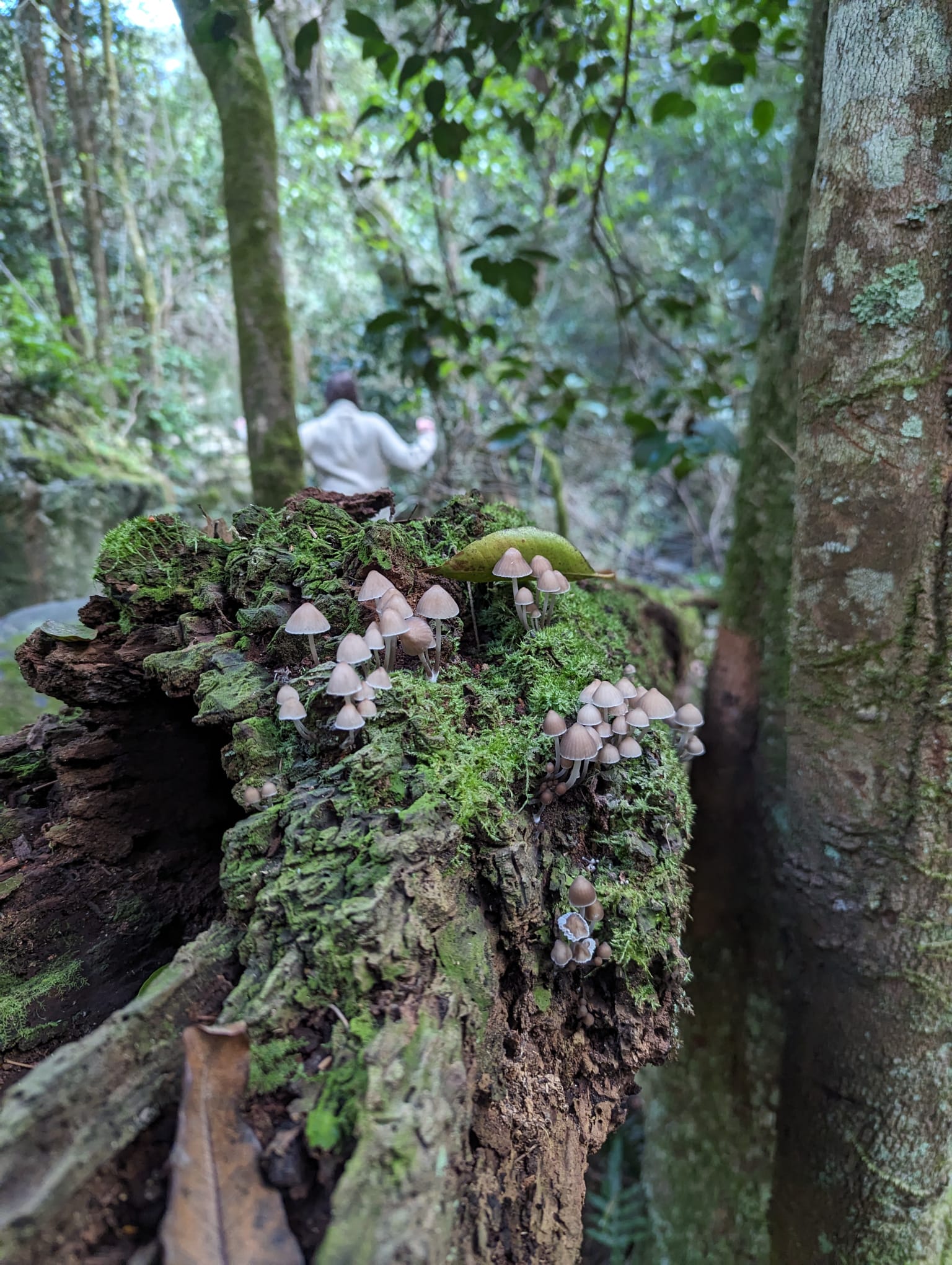
Stepping into nature can feel like coming home, there is an ever‑present, ancient knowing that you are welcome and deeply supported. Many people describe that they feel a softening, a grounding and a return to themselves when immersed in nature. In contemporary mental health practice, these experiences are increasingly understood as evidence‑supported pathways to emotional regulation, belonging, meaning making, and wellbeing (4 & 15). Research across ecopsychology, ecotherapy, Indigenous ecological knowledge and environmental psychology consistently show that human–nature relationships play a central role in psychological wellbeing (4, 8, 15, 16 & 19). Nature provides restoration, relationship, purpose, identity, and sanctuary and in doing so, it becomes not just a setting for therapy, but a co‑therapist.
Nature as Emotional Regulator and Nervous System Restorer
In the interviews I conducted throughout my placement, I spoke with six people from different ages and backgrounds, and additional perspectives were shared through conversations others had with Lucy. They all offered rich insight into how they understand nature as part of their healing journey. Their stories revealed several shared themes that became the foundation of this paper. I reflected on these themes and considered how they relate to academic literature.

Across all interviews, one of the strongest themes was the immediate calming effect of being in nature. Participants often described entering natural environments as producing an almost instantaneous shift in emotional state. ‘E’ explained, “My mental health improves as soon as I get near the garden.” ‘St’ contrasted the irritation and sensory overload of Melbourne traffic with the quiet, calming presence of his bush property. ‘Sa’ described water as cleansing, refreshing, energising, and restorative. ‘K’ said “If I’m feeling angry, destroying something becomes the focus of the release of energy, otherwise it continues to fester”.
These experiences align closely with Stress Reduction Theory, which proposes that natural environments activate parasympathetic nervous system responses that reduce cortisol, lower blood pressure, and decrease sympathetic arousal (20). Environmental psychology research consistently shows that exposure to nature reduces anxiety, depression, and anger (5 & 7). Researchers (24) found that nearby nature buffers the impact of stressful life events, particularly for vulnerable individuals.
My own experience mirrors these findings. When I walk with my feet on the earth, surrounded by nature, I relax in a way I do not achieve within four walls. The air, the green canopy, the sound of water – all of it brings a sense of peace. Swimming feels like a comforting embrace from a friend. Hugging a tree feels like reconnecting with something older than language, a quiet exchange that helps me breathe deeper. These embodied shifts reflect what Ousett et al. (14) describe: “the wind rustling in the trees… the smell of damp soil… all this is an encouragement to natural relaxation.”
Attention Restoration Theory (9) further explains why nature feels mentally restorative. Natural environments engage effortless, involuntary attention (“soft fascination”), allowing depleted directed attention to recover. Participants in the interviews described this cognitive reset clearly. ‘Sh’ described nature as making problems “fall away” and become easier to manage and ‘E’ said watering helped him “reset” after difficult weeks. Across lived experience and research, the message is consistent: nature reliably calms the nervous system and restores emotional balance.
Nature as Relationship: Belonging, Kinship, and Connection
A salient theme across all the interviews is that nature itself becomes a relationship. Participants did not simply feel less lonely because they met people in gardens; they felt connected to plants, landscapes, and wildlife. In describing her bond with the natural world, ‘T’ shared, “Nature is my wise elder,” and she also speaks to another aspect of the relationship by saying “In Māori we call it kaitakitanga of our natural world. Instead of taking from, we became responsible for“. ‘E’ said, “I feel surrounded by friends when I’m with the plants… The plants kind of understood me.” ‘Sa’ described feeling protected, safe, and part of nature when in the bush. ‘St’ valued birds, kangaroos, koalas, insects, and trees as companions.
This reflects the concept of nature connectedness, a psychological relationship with the natural world that supports wellbeing independently of social contact (17). Research shows that nature connectedness is associated with lower depression, greater life satisfaction, resilience, and reduced loneliness (11 & 18).
Indigenous perspectives deepen this understanding. Salmon (16) describes kin-centric ecology, where humans and the earth are part of the same ecological family. Jordan (8) notes that for Aboriginal people, sacred landscapes exist not within cathedral walls but in open space, trees, rocks, and rivers, and are central to wellbeing and happiness. Vicary and Westerman (21) emphasise that Indigenous notions of wellness are holistic and ecological, integrating personal, relational, and environmental factors.
Being in nature nourishes my soul and places me within the family of life. I feel belonging, peacefulness, responsibility, and interdependence, where everything is appreciated in its unique form, simply for being part of the whole. There is a sense of kinship that is deeply grounding.
Community Gardens as Social Ecosystems
While nature itself provides connection, community gardens add a social dimension that amplifies wellbeing. Participants described gardens not as physical spaces but as social ecosystems where belonging, confidence, and social cohesion naturally emerged. ‘N’ said “With all helping each other, its nurturing, its nurturing for the soul as well as for the community”. For her, the garden is a place of familiar faces, shared produce, and connection – a space where people look out for each other. ‘E’ explained that the garden became a safe place where he belonged. He began having small conversations, which expanded his social confidence: “I wasn’t talking to anyone… Later, the bubble got bigger. It wasn’t like it popped – it just expanded. My belief in natural things, in a garden and a community being something sacred, grew. I could see where the light touches life, and I felt I could carry that into places that are darker or need more love.” Gardening also strengthened his family relationships, as his parents began attending with him.
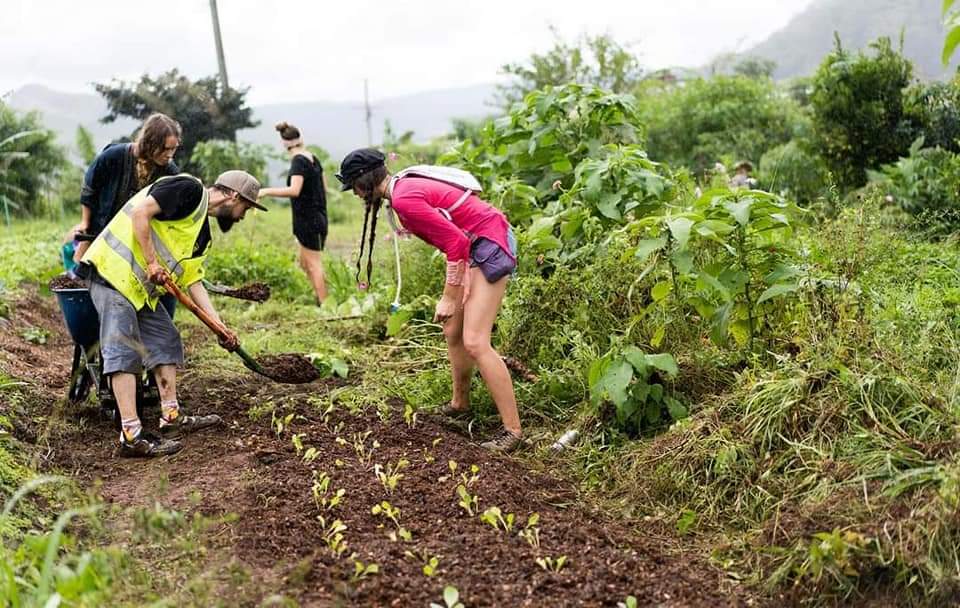
Research consistently shows that community gardening improves belonging, trust, social support, and recovery from mental illness (1 & 23). Social prescribing literature identifies community gardens as effective interventions for reducing loneliness and supporting mental health.
In my placement, I noticed that when clients are outdoors, they become more immersed, less anxious, and more imaginative. Something in them opens. This aligns with research showing that natural environments support socialisation, mobility, mental stimulation, and fulfilment of basic needs such as love, respect, usefulness, and self‑worth (13).
Purpose, Responsibility, and Meaningful Activity
Gardening provides structured routine, responsibility, and purpose, all protective factors against depression (4, 6 & 22). Some of the people I interviewed spoke about the meaningful responsibilities they felt toward their plants, gardens, and local wildlife, describing these roles as anchors during challenging times. Ky said, “Knowing I have plants that need to be looked after, that gets me out of bed” and “It keeps me alive”. ‘St’ explained that building and maintaining habitats for the birds feels meaningful, describing how they come to trust him, land near him, and eat from his hand, a reciprocal relationship that gives him joy and purpose. ‘Ky’ said her garden gave her something to look forward to every day.
Volunteering also emerged as a powerful source of meaning. ‘Sh’ explained, “You’re connecting with the good things, which helps to fortify your self-image and your self-worth.” ‘N’ shared that volunteering helps her feel part of something bigger, explaining that offering her time and energy “just feels good” and strengthens her sense of belonging. ‘E’ said, “Giving our time for something meaningful reaffirms our existence.”
Research supports these experiences. Volunteering is associated with increased purpose, social connection, reduced stress, and lower depressive symptoms (3 & 6). Wagenfeld (22) notes that working with plants provides purposeful, meaningful activity that supports wellbeing across ages and abilities.
Animals & Wildlife
Encounters with animals and wildlife revealed a distinct form of connection that supported wellbeing. ‘Ky’ described sensing the emotions of a horse and feeling connected through mutual understanding, explaining that being with the horse helped her regulate her own feelings and stay grounded in the present moment. ‘N’ spoke about bees as protectors who calm humans when stressed. ‘St’ spoke about the calming presence of wildlife, describing how “it’s just you and the birds… it’s so relaxing,” and how some birds “land on you… some eat out of your hand,” creating moments he found deeply rewarding.
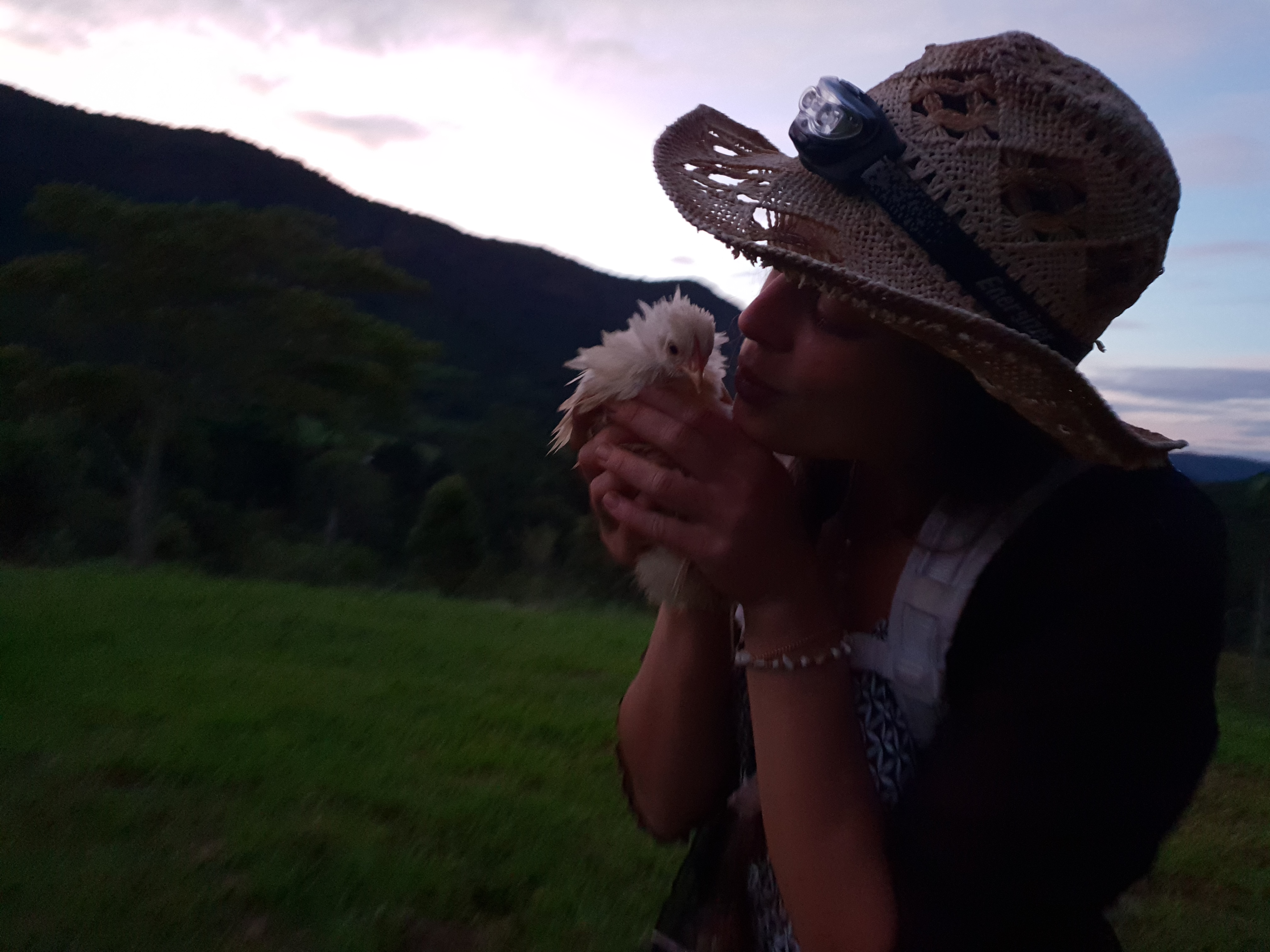
From my own experience, animals offer a kind of connection that feels different from human relationships, quieter, deeper, and built through presence rather than words. There is an unspoken trust that forms gradually, a shared energy that becomes its own language. Sitting with an animal, noticing each other, and considering each other’s needs creates a bond that feels almost miraculous. My relationships with pets, the gentle trust of wild animals, and even moments when a bee or butterfly chooses to land near me all carry this sense of magic. These encounters make me deeply present and remind me that connection does not need words, only attunement and openness. In this way, animals areundeniably part of nature’s therapeutic role, offering something beautiful and different to landscapes and plants.
Research shows that animal’s impact both physiological and psychological functioning (19). Mallon (12) notes that animals help children connect with reality and the present moment. Bustad and Hines (2) describe animals’ capacity for forgiveness, attention, and unconditional love as beneficial for wellbeing. These experiences and research reflect the biophilia hypothesis, our innate drive to connect with other living beings, a connection that is deeply healing (10 & 25).
Nature as Sanctuary and Safe Space
In all of the interviews, nature was described as a place of safety and sanctuary. ‘Sa’ said, “I feel protected.” ‘T’ spoke of nature as a space where she can slow down and feel emotionally grounded, and ‘Ky’ described nature as comforting and soothing, a place where she can breathe more freely. ‘Sh’ described nature as a place of peace and restoration, where time outdoors helped him reconnect with himself and find relief from the pressures of everyday life. ‘N’ described the community garden as “a safe place and a peaceful place,” explaining that spending time there provides “a relief of stress” while offering purpose and opportunities to reconnect with both nature and community. ‘St’ said, “as soon as I come home, I’m relaxed… everything’s peaceful again”.
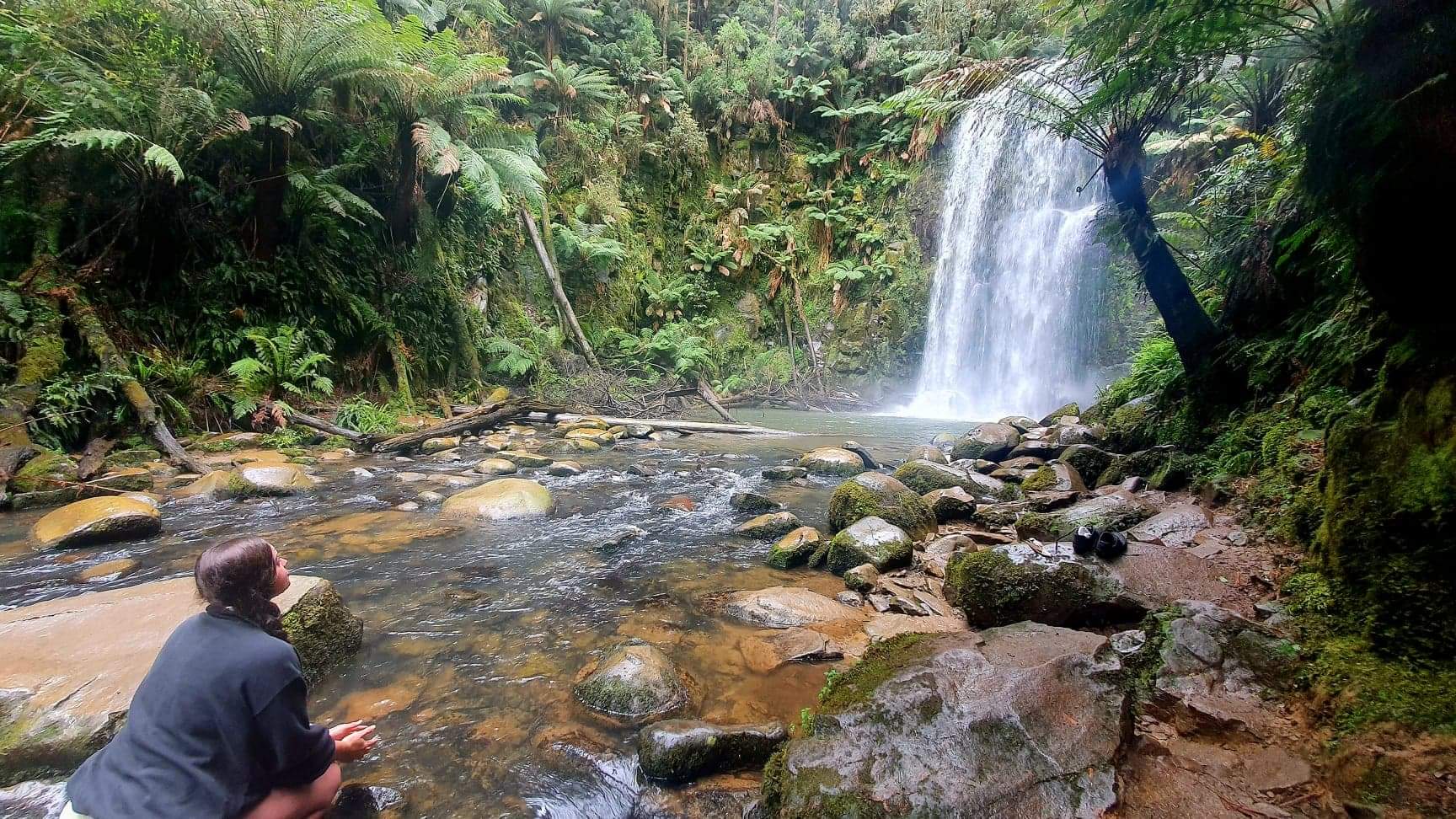
These accounts reflect research showing that natural environments reduce vigilance and support emotional restoration (7, 9 & 20). Clinebell (4) refers to this as nature’s “sanctuary function.” From my own experience in natural spaces, I feel a quiet steadiness and belonging, a sense that the environment itself offers refuge, clarity, and grounding.
Returning to the Earth for Wellbeing
Nature has always been a place where I feel grounded and connected, and through my placement and the interviews I conducted, I saw how universal that experience is. Across people’s stories and decades of research, the message is consistent: natural environments calm the nervous system, strengthen belonging, support meaning, and offer sanctuary (9, 16 & 20). Indigenous knowledge further reminds us that our wellbeing is inseparable from our relationship with the land. For me, and for many others, nature actively participates in healing and in returning to nature, we return to something that helps us heal.
References
(1)
Bartolomei, L., Corkery, L., Judd, B. and Thompson, S., 2003. ‘A Bountiful Harvest: Community gardens and neighbourhood renewal in Waterloo’, New South Wales Government, Department of Housing, and University of New South Wales.
(2)
Bustad, L. and Hines, L., 1983, ‘Placement of Animals with the Elderly: benefits and strategies in A. Katcher and A. Beck (eds), New perspectives on our lives with companion animals, University of Pennsylvania Press, PA, pp. 291–302.
(3)
Burls, A., 2007, ‘Ecotherapy: A therapeutic and educative model’, Journal of Mediterranean Ecology, vol. 8, pp. 19–25.
(4)
Clinebell, H. (1996). Ecotherapy: Healing Ourselves, Healing the Earth. Minneapolis, MN: Fortress Press.
(5)
Groeneweggen, P., van den Berg, A., de Vries, S. and Verheij, R., 2006, ‘Vitamin G: Effects of green space on health, wellbeing and social safety’, BMC Public Health, vol. 6, pp. 149–159.
(6)
Hamer, M., Stamatakis, E. and Steptoe, A., 2008, ‘Dose response relationship between physical activity and mental health: The Scottish Health Survey’, British Journal of Sports Medicine, vol. 42, no. 4, pp. 238–243.
(7)
Hartig, T., Evans, G. W., Jamner, L. D., Davis, D. S., and Gärling, T., 2003, ‘Tracking restoration in natural and urban field settings’, Journal of Environmental Psychology, vol. 23, no. 2, pp. 109–123.
(8)
Jordan, M., 2009, ‘Back to nature’, Therapy Today, vol. 20, no. 3, pp. 26-28.
(9)
Kaplan & Kaplan, 1989, as cited in Townsend & Weerasuriya, 2010 Townsend, M., & Weerasuriya, R. (2010). Beyond blue to green: The benefits of contact with nature for mental health and well-being. Beyond Blue.
(10)
Kellert, S. R. (1997). Kinship to Mastery: Biophilia in Human Evolution and Development. Washington, DC: Island Press.
(11)
Korpela, K. and Ylén, M., 2007, ‘Perceived health is associated with visiting natural favourite places in the vicinity’, Health and Place, vol. 13, no. 1, pp. 138–151.
(12)
Mallon, G., 1994, ‘Cow as Co-therapist: Utilisation of farm animals as therapeutic aides with children in residential treatment’, Child and Adolescent Social Work Journal, vol. 11, no. 6, pp. 455–474.
(13)
Nebbe, 2006, as cited in Townsend & Weerasuriya, 2010 Townsend, M., & Weerasuriya, R. (2010). Beyond blue to green: The benefits of contact with nature for mental health and well-being. Beyond Blue.
(14)
Ousett et al. 1998, as cited in Townsend & Weerasuriya, 2010 Townsend, M., & Weerasuriya, R. (2010). Beyond blue to green: The benefits of contact with nature for mental health and well-being. Beyond Blue.
(15)
Roszak, T., Gomes, M. E., & Kanner, A. D. (Eds.). (1995). Ecopsychology: Restoring the Earth, Healing the Mind. San Francisco, CA: Sierra Club Books.
(16)
Salmon, E., 2000, ‘Kincentric Ecology: Indigenous perceptions of the human nature relationship’, Ecological Applications, vol. 10, no. 5, pp. 1327–1332.
(17)
Sharman, L. (2025). A brief report on the health and wellbeing outcomes from daily nature: Comparing connection and contact. The University of Queensland.
(18)
Stigsdotter, U. K., & Grahn, P. (2003). Experiencing a garden: A healing garden for people suffering from burnout diseases. Journal of Therapeutic Horticulture, 14, 38-48.
(19)
Townsend, M., & Weerasuriya, R. (2010). Beyond blue to green: The benefits of contact with nature for mental health and well-being. Beyond Blue.
(20)
Ulrich, R., 1979, ‘Visual landscapes and psychological wellbeing’, Landscape Research, vol. 4, pp. 17–23.
(21)
Vicary, D. and Westerman, T., 2004, ‘“That’s just the way he is”: Some implications of Aboriginal mental health beliefs’, Australian e-Journal for the Advancement of Mental Health, vol. 3, no. 3, pp. 1–10.
(22)
Wagenfeld, A. (2013). Nature an environment for health. OT Practice. 18(7), pp 7-12.
(23)
Wakefield, S., Yeudall, F., Taron, C., Reynolds, J. and Skinner, A., 2007, ‘Growing Urban Health: Community gardening in South-East Toronto’, Health Promotion International, vol. 22, no. 2, pp. 92–101.
(24)
Wells, N. M., & Evans, G. W. (2003). Nearby nature: A buffer of life stress among rural children. Environment and Behavior, 35(3), 311–330. https://doi.org/10.1177/0013916503035003001
(25)
Wilson, E. O. (1984). Biophilia. Cambridge, MA: Harvard University Press.
